
Quick Summary: Eczema (dermatitis) is an inflammatory skin reaction resulting from a compromised skin barrier and an overactive immune response, leading to itchy, symptomatic rashes. The most effective management involves restoring the skin's protective shield through intensive moisturizing, identifying environmental triggers, and working with a dermatology provider to determine the best treatment plan.
Types of Eczema Key Differentiators
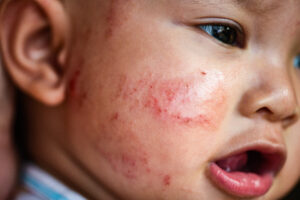
Atopic Dermatitis Mechanism: Genetic/Immune driven. Linked to a family history of allergies.
Onset: Often begins in infancy or early childhood.
Contact Dermatitis Mechanism: Triggered by an external allergen (like nickel) or irritant (like harsh soap).
Onset: Appears after direct skin contact.
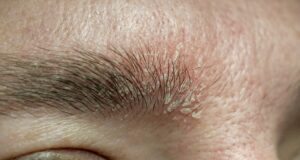
Seborrheic Dermatitis Mechanism: Inflammatory reaction to yeast in oil-rich areas.
Appearance: Greasy, yellowish scales (dandruff).
Stasis Dermatitis Mechanism: Caused by poor circulation and blood pooling in the lower legs.
Appearance: Redness and swelling on the ankles.
1. Introduction: What Is Causing My Skin Inflammation?
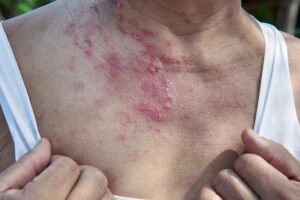
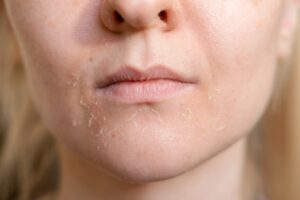
Understanding how your skin reacts to its environment is a strategic first step in managing recurring irritation. Our skin acts as a protective shield, but when that shield is compromised or hypersensitive, it reacts with inflammation. Because everyone’s skin is different, the appearance of this rash can vary; depending on your skin tone, the affected area may appear pink, red, purple, brown, or gray.

Podcast:
Learn More About Eczema
The root cause of eczema generally falls into two categories. You can think of immune-driven reactions as “misguided guards”—your immune system mistakenly identifies a harmless substance or a minor internal signal as a threat and launches an overzealous defense. Conversely, barrier-related reactions are the result of a “damaged wall,” where the physical integrity of the skin cells is compromised, letting moisture out and irritants in.
Identifying which specific type of eczema you have is the “So What?” factor in choosing the right recovery path.
2. Who Is At Risk? (Empathetic Overview)
If you are struggling with persistent skin inflammation, it is important to remember that eczema is not a reflection of hygiene. It is a biological response to internal and external factors. Anyone can develop this condition regardless of age or skin tone.
- The “Atopic March”: Having relatives with eczema, asthma, or hay fever significantly increases your risk.
- Occupational Exposure: Healthcare workers, cleaners, hairstylists, and mechanics are frequently affected due to repeated exposure to water and irritants.
- Dry Environments: Living in cold or dry climates can strip the skin of its natural moisture, triggering flares.
- Skin Tone & Age: While it affects all populations, certain types like Pityriasis Alba are more noticeable in darker skin tones, and others like Nummular Eczema are more common in older adults.
3. Recognizing the Patterns: Where and How It Appears
The “shape” and “location” of an eczema rash are strategic clues. Because different types favor specific areas, the rash often leaves a physical “map” for diagnosis.
- The Flexures: Atopic dermatitis often targets the folds of the skin, such as the inside of the elbows and the back of the knees.
- Hands and Feet: Dyshidrotic eczema appears as tiny, deep-seated blisters on the palms, soles, and sides of fingers.
- Well-Demarcated Edges: Sharp, angular borders often suggest contact dermatitis from jewelry, bandages, or clothing.
- Scalp and Face: Seborrheic dermatitis focuses on the eyebrows, sides of the nose, and the hairline.
4. Taking Charge of Your Health: At-Home Solutions
While medical treatments are available, consistent daily self-care is the foundation of repairing the skin barrier and preventing future flare-ups.
- The 3-Minute Rule: Apply a thick, fragrance-free moisturizer (cream or ointment) within three minutes of leaving a lukewarm bath to trap moisture.
- Switch to Gentle Cleansers: Use soap-free synthetic detergents (Syndets) and avoid fragrance-heavy soaps or laundry products.
- Cotton & Protection: Wear soft, breathable fabrics and use gloves when handling cleaning chemicals or water.
- Manage Stress: Since stress can trigger immune flares, prioritizing relaxation and sleep directly supports skin health.
5. Clinical Triage: When to See a Dermatology Provider
A professional diagnosis is the only way to end the cycle of irritation and identify underlying triggers that may not be obvious.
Seek Professional Help if You Notice These “Red Flags”:
- Recurring Symptoms: The rash reappears quickly after you stop using over-the-counter treatments.
- Secondary Infection: You notice yellowish, honey-colored crusting, pus, or extreme warmth.
- Severe Itching: The itch is so intense it interferes with your daily life or sleep.
- Eczema Herpeticum: Sudden appearance of clusters of painful, fluid-filled blisters (seek urgent care).
FAQs about Eczema:
- Q: Is eczema contagious?
A: No. Eczema is an internal inflammatory reaction. It cannot be spread from person to person. - Q: Will I have Ezema forever?
A: While it is often chronic, many people achieve long periods of remission or “grow out” of certain types with consistent care. - Q: How do doctors find the exact cause of Eczema?
A: Providers use a combination of medical history, visual patterns, and sometimes specialized tests like Patch Testing for allergies.
Success in managing eczema lies in long-term awareness and consistent skin barrier support. By understanding your triggers and maintaining a protective skin routine, clear and comfortable skin is an achievable goal.