When most people think about skin cancer prevention, their minds immediately jump to topical broad-spectrum sunscreens, wide-brimmed hats, and seeking shade during peak hours. While these external physical and chemical shields remain absolutely essential, dermatological science has unlocked a powerful internal ally in the fight against skin damage: Vitamin B3.
When UVA and UVB rays pierce your skin barrier, they cause two major clinical issues:
DNA Damage: UV radiation directly mutates the genetic code within your skin cells.
Cellular Energy Depletion: The sun’s energy drains ATP (adenosine triphosphate)—the essential energy currency your cells use to fuel their natural DNA repair mechanisms.
This is where oral nicotinamide supplementation changes the game. By replenishing your cells’ cellular energy stores, nicotinamide acts like an internal charging station, giving your skin the power it needs to efficiently fix UV-induced genetic mutations before they can progress into pre-cancerous actinic keratoses or non-melanoma skin cancers (like basal cell and squamous cell carcinoma).
Topical vs. Oral Vitamin B3: What’s the Difference?
Chemical sunscreens take a completely opposite approach to sun safety. They protect your body by altering the nature of the sun’s energy through an active chemical reaction within your tissue.
Because terms like niacinamide and nicotinamide populate both supplement aisles and skincare labels, patients frequently ask our clinical team how to best incorporate it into their routines.
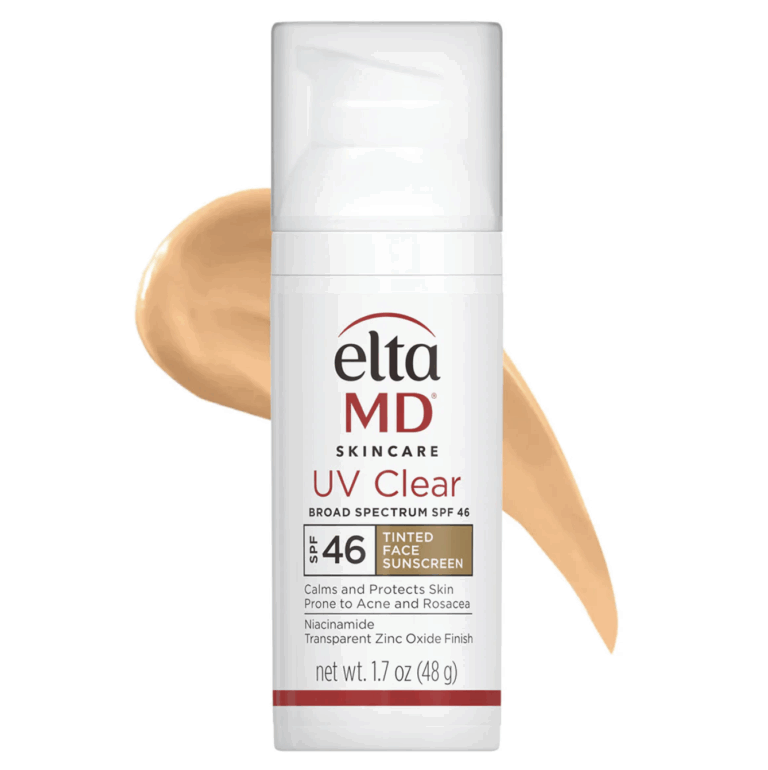
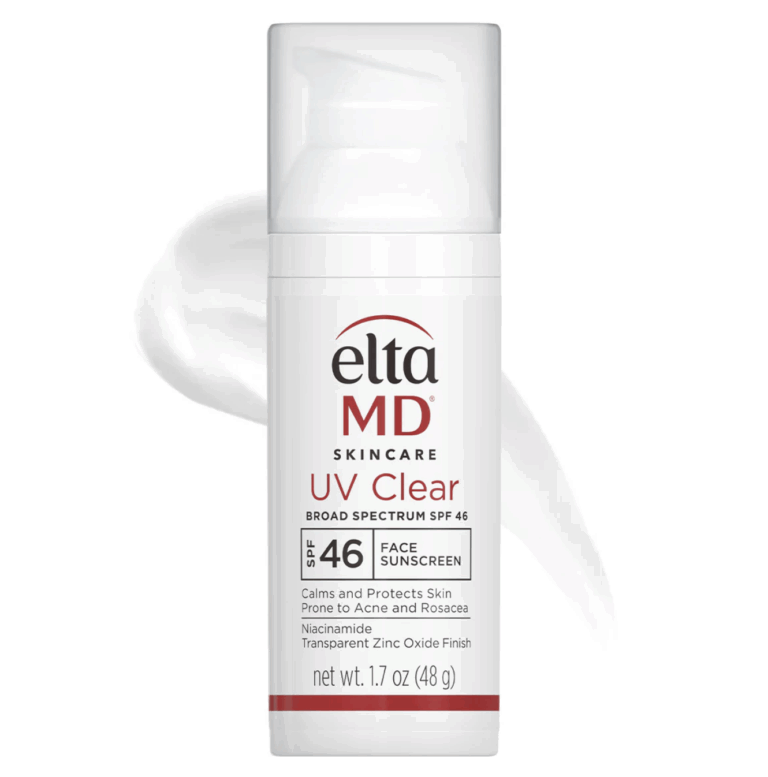
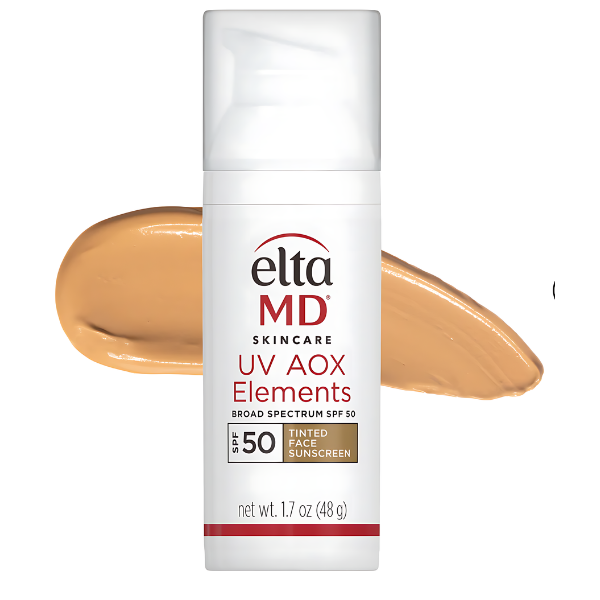
- Topical Niacinamide: When applied directly to the face via advanced, medical-grade products (like our clinic’s favorite EltaMD UV Clear formulas), niacinamide acts as a potent local anti-inflammatory. It minimizes redness, calms vascular swelling, stabilizes an irritated skin barrier, and fades post-inflammatory hyperpigmentation.
- Oral Nicotinamide: When taken systematically as an oral supplement, it works from the inside out to support systemic cellular repair across your entire body. Major clinical trials have shown that high-risk individuals taking a targeted dose of oral nicotinamide twice daily saw a significant reduction in the rate of new non-melanoma skin cancers compared to those who didn’t.
Note: Always consult with a qualified dermatology provider before introducing high-dose oral supplements into your daily routine to ensure the proper form and dosage for your unique health profile.
Proactive Detection Saves Lives: Schedule Your Check
While internal supplementation and daily broad-spectrum mineral sunscreens dramatically lower your risk profile, early detection remains your absolute best defense against skin cancer. Catching atypical moles or microscopic changes early drastically simplifies treatment and yields the highest cure rates.
Schedule an Expert Skin Examination: Partner with our clinical dermatology team to complete your comprehensive annual skin cancer screening.