Is mineral or chemical sunscreen better for sensitive skin?
Mineral sunscreen is scientifically superior for individuals with sensitive skin, rosacea, or acne-prone complexions. While chemical sunscreens absorb UV rays and convert them into heat inside the tissue, mineral sunscreens (utilizing zinc oxide or titanium dioxide) create a physical, mirror-like barrier that reflects UV radiation away from the skin. Mineral formulas provide immediate broad-spectrum protection, lack systemic absorption, and are significantly less likely to trigger the irritation, heat rashes, or clogged pores associated with chemical filters.
Why does sunscreen cause breakouts and skin irritation?
You bought a new daily sunscreen, followed every application rule, and still ended up with a frustrating rash, a stinging sensation, or a sudden breakout. You are not alone.
It is a common misconception that all sunscreens are created equal. In reality, the inflammatory “sting,” allergic reaction, or “clogged” feeling you experience is frequently a biological reaction to synthetic chemical filters, not a failure of your skin. To break the cycle of chronic skin irritation, you need to understand exactly how these two distinct sun protection systems interact with your skin barrier.
How does mineral sunscreen protect the skin?
Mineral sunscreens are frequently referred to as physical sunscreens because they establish a literal, physical barrier on the outermost surface of your skin.
The Cellular Mechanism: Think of a high-quality mineral sunscreen as a matrix of thousands of microscopic mirrors. Instead of absorbing into your tissue, it sits cleanly on top of the stratum corneum (your skin barrier) and bounces harmful ultraviolet rays away before they can ever penetrate your living cells.
The Active Ingredients: Look on the drug facts label for Zinc Oxide and Titanium Dioxide.
The Clinical Benefits: Because these naturally occurring mineral compounds stay on the surface and do not require systemic absorption to function, they are recognized as the global dermatological gold standard for hyper-reactive or post-procedure skin. As a major bonus, they offer immediate broad-spectrum protection the exact second you apply them—completely eliminating the mandatory 20-minute wait time required by chemical alternatives.
The science of chemical sunscreen: How UV absorbers work
Chemical sunscreens take a completely opposite approach to sun safety. They protect your body by altering the nature of the sun’s energy through an active chemical reaction within your tissue.
The Cellular Mechanism: These formulas contain synthetic, carbon-based compounds—such as oxybenzone, avobenzone, octisalate, and homosalate—that act as molecular sponges. They absorb incoming UV radiation deep into the skin, convert that destructive energy into thermal heat, and then release that heat out of the body.
The Inflammatory Drawback: This internal “heat release” process is a silent, aggressive trigger for rosacea flares, melasma hyperpigmentation, and heat-sensitive acne conditions. Furthermore, because these chemical compounds must be fully absorbed into the living layers of the skin to function, they carry a significantly higher clinical risk of causing allergic contact dermatitis (rashes), stinging eyes, and contact allergies in sensitive individuals.
What Are the Best Ingredients for Reactive Skin?
At Skin Solutions Dermatology, our medical providers recommend advanced, medical-grade mineral options that deliver robust broad-spectrum defense without the heavy, “white cast” or chalky finish of traditional zinc pastes. If you have a history of environmental sensitivity, eczema, rosacea, or stubborn acne, your skin barrier will thrive on Zinc-only or Zinc-dominant formulas.
To make choosing the right formula easy, our clinics strictly curate dermatologist-favorite selections tailored to your unique skin type:
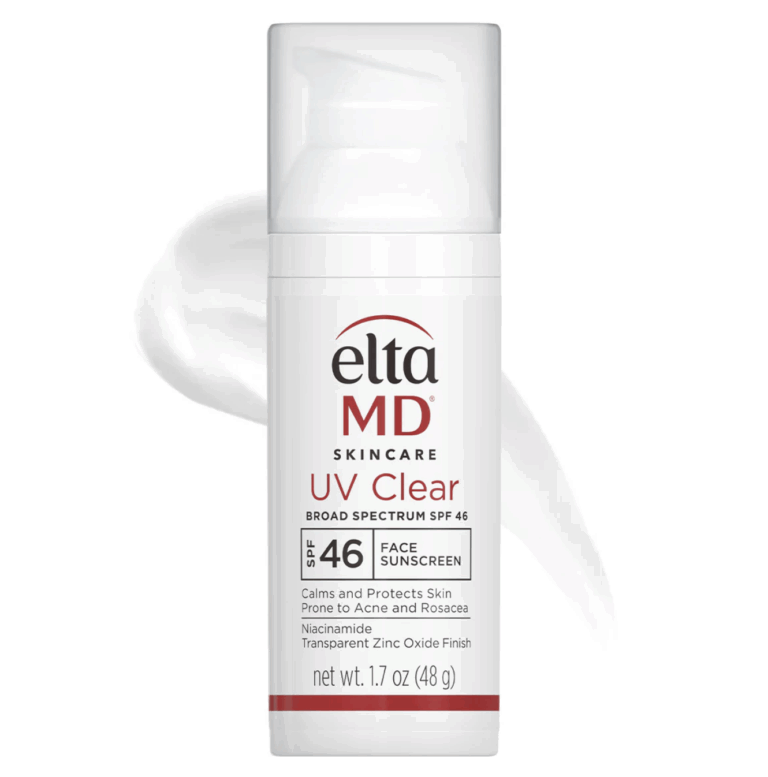
EltaMD UV Clear Broad-Spectrum SPF 46 (Untinted): Our absolute premier recommendation for acne-prone complexions and active rosacea. It combines high-purity zinc oxide with niacinamide (Vitamin B3) to actively calm vascular redness, soothe inflammation, and clear pores without leaving a white cast.
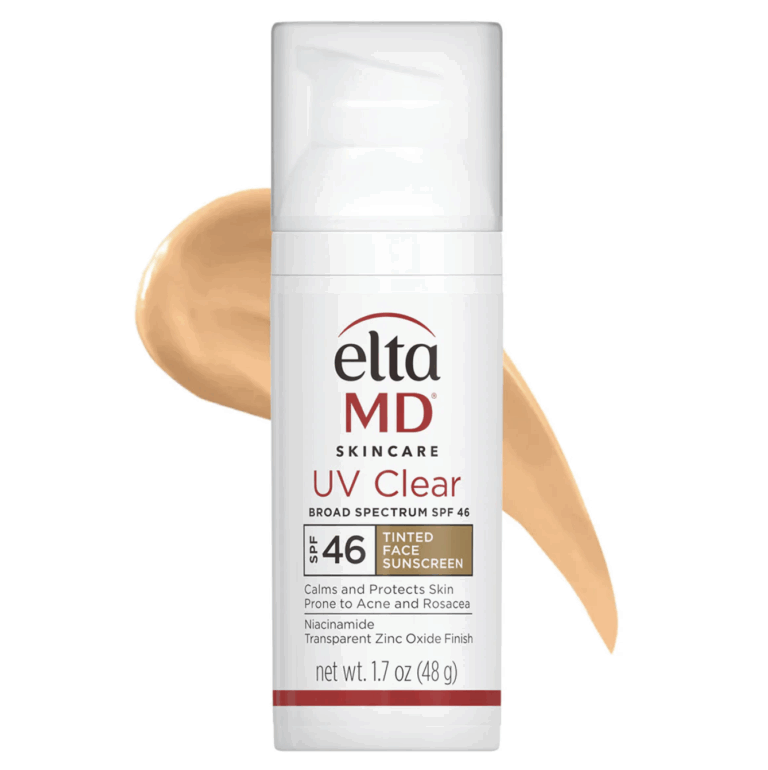
EltaMD UV Clear Tinted: Enjoy all the oil-free, pore-clearing, and skin-calming benefits of our classic UV Clear formula, but with a beautiful, sheer tint. This formula is perfect for those who want a natural-looking glow that instantly camouflages redness without the heavy weight of a cosmetic foundation.
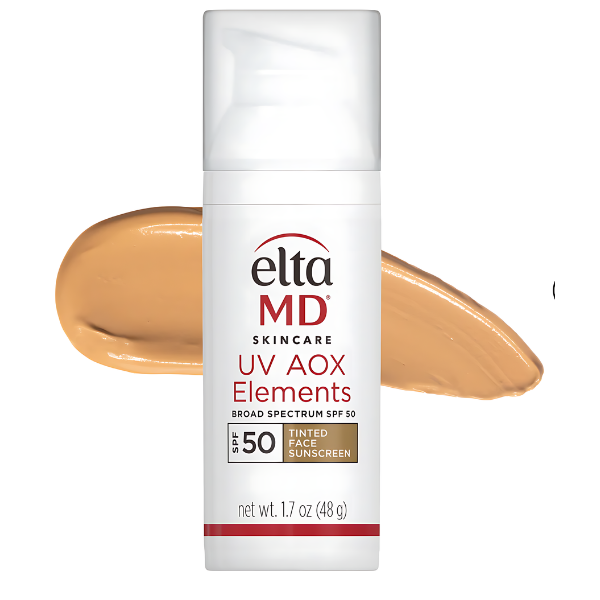
EltaMD UV AOX Elements Broad-Spectrum SPF 50 (Tinted): A 100% physical mineral powerhouse designed specifically for dry, aging, or highly sensitive skin. This formulation pairs Zinc Oxide and Titanium Dioxide with a clinical blend of antioxidants (Vitamins E and C) to neutralize free radicals while delivering a rich, universal tint that deeply hydrates and masks skin imperfections.