
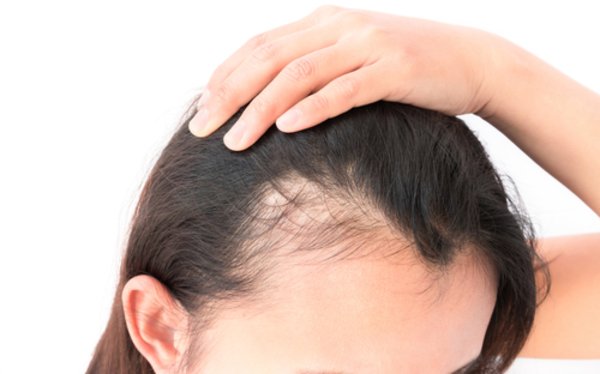
Seeing more hair than usual in your shower drain, on your pillow, or wrapped around your hairbrush can be alarming. Your first thought may be: Am I losing my hair?
Not necessarily.
Hair shedding and hair loss are not the same thing. Shedding often happens when more hairs than usual enter the resting phase of the hair-growth cycle and eventually fall out. Hair loss occurs when something interferes with the follicle’s ability to grow and maintain hair normally.
Knowing which one you’re experiencing matters because the causes—and the treatments—can be very different.
Hair Shedding vs. Hair Loss: What’s the Difference?
Hair shedding refers to hairs naturally being released from the follicle at the end of their growth cycle. Everyone sheds hair every day.
Sometimes, however, a larger-than-usual number of hairs enter the resting phase at approximately the same time. This can lead to noticeable shedding several weeks or months later.
One common cause is telogen effluvium, a form of diffuse shedding that can occur after the body experiences a physical or emotional stressor.
Hair loss, or alopecia, is different. Instead of simply releasing more hairs, a medical condition, inflammation, genetics, medications, mechanical tension, or another factor may interfere with normal hair growth.
Hair loss can appear as gradual thinning, a receding hairline, widening part, bald patches, or loss concentrated in a particular area of the scalp.
Quick Answer: How Can You Tell Shedding From Hair Loss?
Shedding usually causes increased hair fall throughout the scalp, while hair loss may cause visible changes in hair density, pattern, or the scalp itself.
Pay attention not only to how much hair you’re losing, but also to where you’re losing it and what your scalp looks and feels like.
A dermatologist can determine whether increased hair fall represents temporary shedding or a form of alopecia that requires treatment.
Why Am I Suddenly Shedding So Much Hair?
Your hair grows in cycles. Each follicle moves through periods of active growth, transition, rest, and eventual shedding.
When the body experiences significant stress, more follicles can shift into the resting phase. The increased shedding may not become noticeable immediately, which is why people sometimes struggle to connect their hair changes to an earlier event.
Potential triggers of excessive shedding can include:
Significant illness or fever
Surgery or other major physical stress
Rapid weight change or nutritional changes
Pregnancy and postpartum hormonal shifts
Significant emotional stress
Certain medications
Changes in underlying health
Because there can be a delay between a trigger and visible shedding, think back over the previous several months, not just the previous several days.
What Does Excessive Hair Shedding Look Like?
You may notice:
- More hair than usual in the shower
- Hair accumulating in your brush or comb
- More strands on your clothing or pillow
- Increased hair coming out when washing or styling
- An overall decrease in hair volume
- The key word is diffuse. With conditions such as telogen effluvium, shedding generally occurs throughout the scalp rather than creating one isolated bald patch.
That doesn’t mean you should diagnose yourself based on your shower drain. If increased shedding continues or your density is noticeably changing, a professional evaluation can help determine what’s happening.
What Are Signs That It May Be Hair Loss Instead?
Look beyond the number of strands you’re seeing.
Changes that deserve attention include:
- A progressively widening part
- Gradual thinning at the crown
- Receding or thinning edges
- Clearly defined bald patches
- Short, broken hairs in a specific area
- Loss of eyebrows or other body hair
- Smooth or shiny areas of scalp
- Persistent itching, burning, tenderness, redness, or scaling
The pattern can provide important clues.
For example, thinning concentrated around the edges may raise concern for traction alopecia, particularly when the hair is regularly exposed to tight hairstyles.
Thinning that begins at the crown and progresses outward—particularly in Black women—may warrant evaluation for Central Centrifugal Cicatricial Alopecia (CCCA), a form of scarring alopecia in which early diagnosis is particularly important.
Patterned thinning may also occur with androgenetic alopecia, while round or oval patches of hair loss can occur with conditions such as alopecia areata.
Several conditions can also occur at the same time. That’s one reason the pattern should be evaluated rather than assuming every type of hair fall has the same cause.
Is It Normal to See Hair Coming Out in the Shower?
Seeing hair in the shower is not automatically a sign that something is wrong.
Hair that has already completed its growth cycle may become more noticeable when shampooing, detangling, brushing, or styling.
How often you wash or manipulate your hair also affects what you see. Someone who washes less frequently may see more accumulated shed hairs on wash day than someone who shampoos daily.
Instead of focusing on an exact number of strands, ask yourself:
Has something changed from what’s normal for me?
A sudden increase in shedding, a noticeably thinner ponytail, a widening part, or visible scalp changes can be more useful warning signs than trying to count every strand.
Could My Hairstyle Be Causing My Hair Loss?
Sometimes.
Repeated pulling from tight ponytails, braids, cornrows, locs, weaves, extensions, or buns can place mechanical stress on the follicles and contribute to traction alopecia.
Early traction alopecia may improve when the source of tension is removed. Continued pulling, however, can eventually damage and scar the follicles, making hair loss permanent.
If a hairstyle consistently causes pain, tenderness, bumps, or breakage, don’t ignore what your scalp is telling you.
Choose looser, lower-tension styles and consider a dermatology evaluation if your edges or hairline are becoming noticeably thinner.
Does a Widening Part Mean I’m Losing My Hair?
A widening part can be an important clue, but it doesn’t identify the cause by itself.
Progressive widening may occur with several forms of alopecia. The location and pattern matter.
Ask:
- Is thinning occurring everywhere or primarily along my part?
- Is my crown becoming more visible?
- Are my edges changing?
- Are there completely bare patches?
- Is my scalp itchy, painful, burning, or tender?
- Does any area appear unusually smooth or shiny?
Photographs taken under similar lighting and from the same angles can also help you recognize gradual changes that are difficult to notice day to day.
Will My Hair Grow Back?
That depends on why you’re losing it and whether the follicles remain healthy.
Some causes of excessive shedding are temporary. Once the underlying trigger resolves and the hair cycle normalizes, growth may gradually recover.
Other forms of hair loss require treatment to slow progression or support regrowth.
Scarring alopecias require particular attention. Once inflammation permanently destroys a follicle and replaces it with scar tissue, that follicle cannot produce hair again.
This is why determining the cause early matters more than simply finding a product labeled for “hair growth.”
Should I Take Hair Vitamins or Use Hair-Growth Products?
When hair starts falling out, it’s tempting to immediately reach for supplements, oils, serums, or viral hair-growth products.
But hair loss is a symptom, not a diagnosis.
A product cannot correct every possible reason for hair loss. Treatment that makes sense for one condition may do little for another, and taking supplements you don’t need isn’t a substitute for identifying an underlying problem.
Before building an expensive hair-growth routine, determine what you’re actually treating.
When Should I See a Dermatologist for Hair Loss?
Consider scheduling an evaluation if:
- Your shedding has increased significantly and isn’t improving
- You notice a widening part or progressive thinning
- Your hairline or edges are receding
- You develop bald patches
- Your scalp is painful, itchy, burning, red, or persistently flaky
- An area of your scalp looks smooth or shiny
- You’re losing eyebrow or body hair
- You’re concerned about how quickly your hair is changing
A dermatology provider may evaluate your medical history, medications, recent illnesses or stressors, styling practices, and the pattern of hair loss. Depending on what they find, additional testing may be recommended.
Frequently Asked Questions
How do I know if I’m shedding too much hair?
Rather than relying only on a specific strand count, pay attention to changes from your normal baseline. A significant increase in hair in the shower, brush, clothing, or around your home—especially when accompanied by reduced density—may warrant evaluation.
Can stress cause hair shedding?
Yes. Physical or emotional stress can contribute to excessive shedding, including telogen effluvium. Because hair cycles slowly, increased shedding may become noticeable weeks or months after the triggering event.
What’s the difference between hair breakage and shedding?
A shed hair has been released from the follicle. Breakage occurs when the hair shaft snaps. Breakage may produce shorter pieces of hair and can result from tension, heat, chemical processing, or damage to the hair shaft.
Can hair shedding and hair loss happen at the same time?
Yes. More than one process can affect the scalp simultaneously. Someone experiencing temporary shedding may also have another underlying form of alopecia.
Does seeing my scalp mean I’m going bald?
Not necessarily. Lighting, hairstyle, hair texture, and natural density can all influence scalp visibility. However, increasing scalp visibility, a widening part, or progressive changes in density should be evaluated.
How long does hair shedding last?
The timeline depends on the underlying cause. Because hair growth occurs in cycles, improvement may take time even after a trigger has resolved. Persistent or worsening shedding deserves professional evaluation.
The Bottom Line: Pay Attention to What’s Changing
Finding extra strands of hair doesn’t automatically mean you’re developing permanent hair loss.
Instead of focusing only on how much hair is falling, pay attention to the bigger picture:
Is this more than usual? Where is it happening? Is your density changing? Does your scalp look or feel different?
Those clues can help distinguish temporary shedding from a condition that needs treatment.
And when you’re not sure, you don’t have to diagnose it yourself.
Noticing a change in your hair or scalp? Schedule an evaluation with Skin Solutions Dermatology to identify the cause and create a treatment plan tailored to your hair and scalp.