
Skin cancer is one of the most common forms of cancer, yet when detected early, it is also one of the most treatable. At Skin Solutions Dermatology, we provide comprehensive skin cancer services, from thorough screenings to advanced treatment options. Our goal is to offer compassionate, expert care that helps you feel confident about your health and your skin.
We recognize that facing the possibility of skin cancer can be stressful. That’s why our team combines medical expertise with a supportive approach to guide you every step of the way. Whether you’re here for a routine skin check, a biopsy, or ongoing monitoring, we focus on clear communication, patient comfort, and personalized treatment plans tailored to your unique needs.
Understanding Skin Cancer and Its Types
Skin cancer develops when skin cells grow abnormally. Recognizing the different forms is key to early detection.
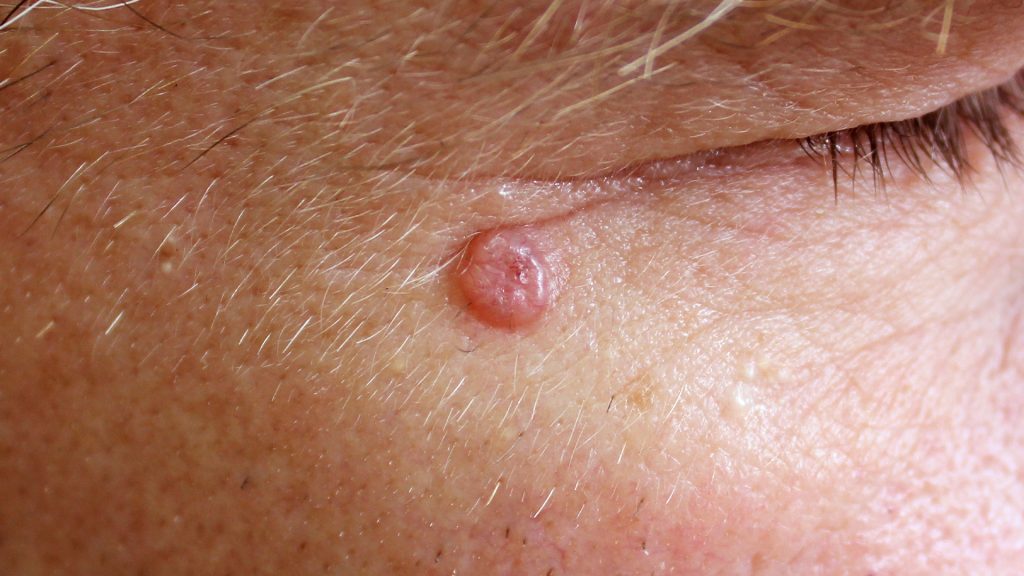
Basal Cell Carcinoma (BCC)
- Most common type of skin cancer
- Appears as a pearly bump, scar-like area, or sore that doesn’t heal
- Typically slow-growing but can cause local damage
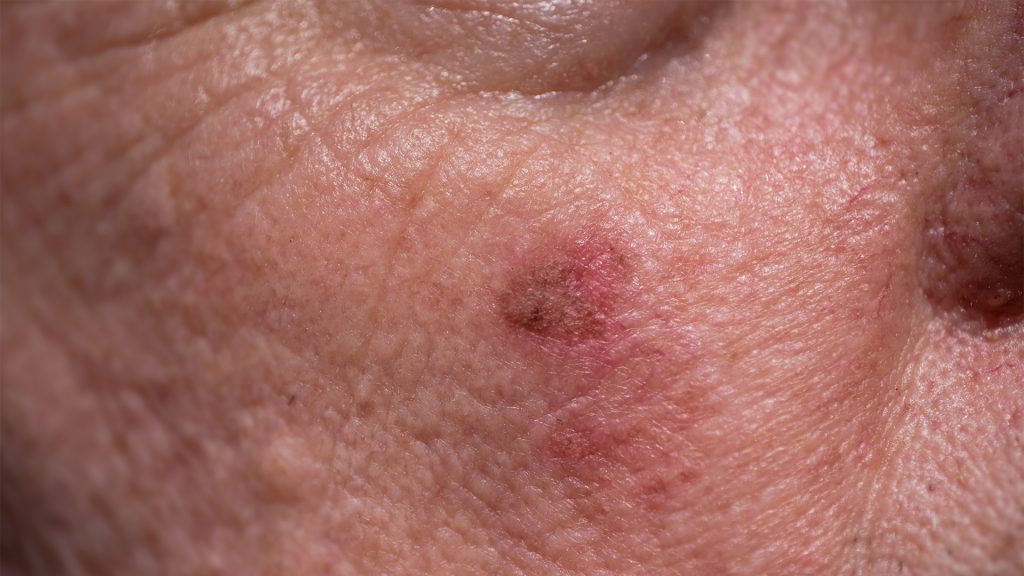
Squamous Cell Carcinoma (SCC)
- May look like a scaly, red, or crusted growth
- Can spread if untreated
- Common in areas of chronic sun exposure
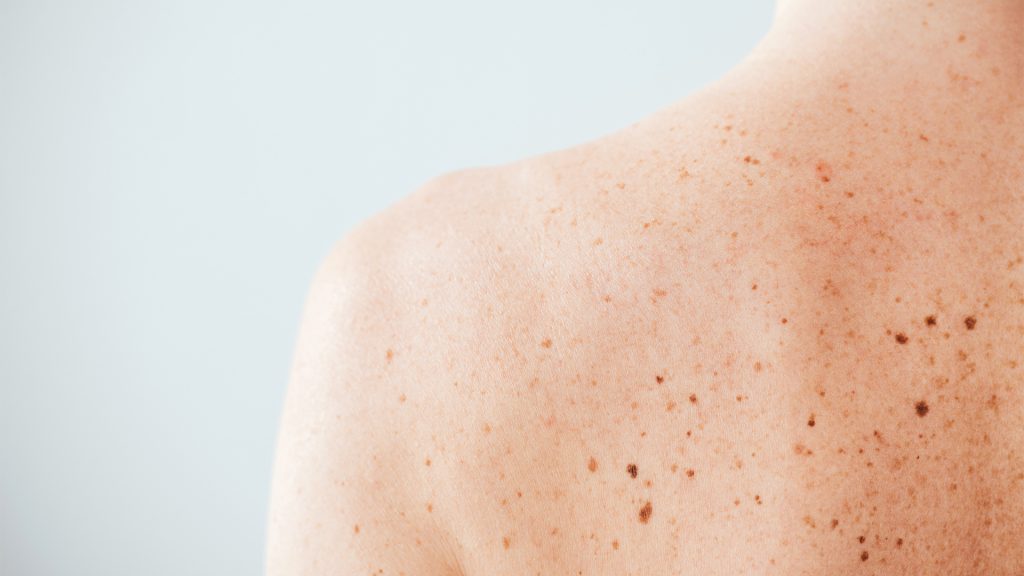
Melanoma
- Less common but more dangerous
- Often develops from a mole or as a new irregular growth
- Early detection is critical for effective treatment
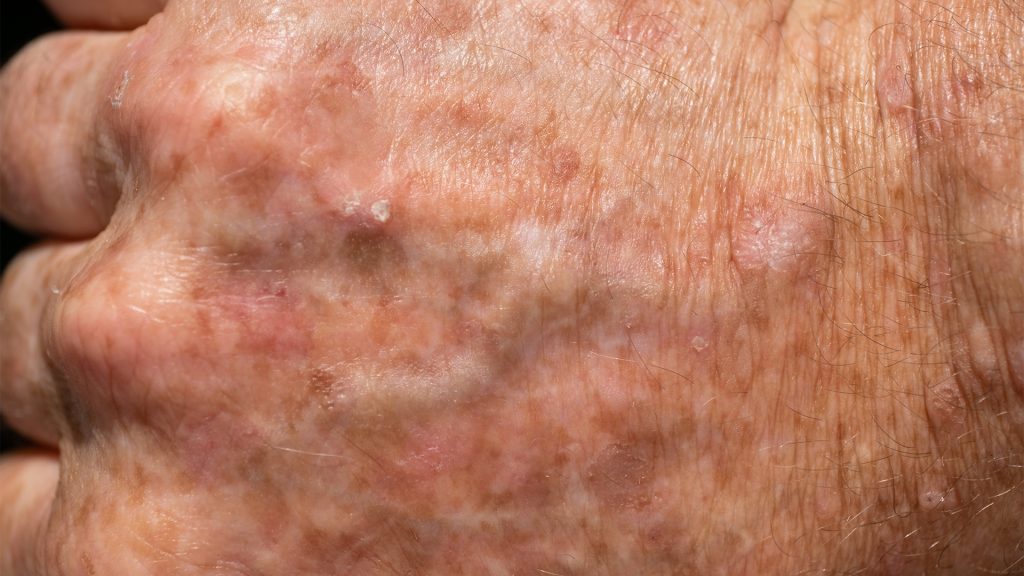
Actinic Keratosis
(Precancerous Lesions)
- Rough, scaly patches caused by long-term sun damage
- Can progress into squamous cell carcinoma if untreated
Am I at risk for skin cancer?
Certain lifestyle factors, health conditions, and genetic traits may increase your risk of developing skin cancer:
- Prolonged or unprotected sun exposure
- History of severe or blistering sunburns
- Frequent use of tanning beds
- Fair complexion, light-colored eyes, or light hair
- Family or personal history of skin cancer
- Suppressed immune system due to illness or medications
- Age (risk increases with time)
Warning Signs and Symptoms to Watch For
Regular self-checks and professional exams are vital.
Common Signs Include:
- Sores that do not heal after weeks
- Bumps that are shiny, pearly, or translucent
- Rough, scaly, or bleeding patches
- Moles that change in size, color, or shape
- Dark spots with uneven borders or multiple colors
Our Skin Cancer Services
We provide a full range of skin cancer care, from prevention to treatment:
| Service | What It Involves |
| Skin Cancer Screenings | Comprehensive skin exams to identify suspicious spots early. Includes mole mapping and dermatoscopic evaluation. |
| Biopsies | Quick and minimally invasive procedure to collect tissue for diagnosis. |
| Treatment Options | Depending on the diagnosis, we may recommend surgical excision, Mohs micrographic surgery, cryotherapy, electrosurgery, or topical treatments. |
| Precancerous Lesion Removal | Actinic keratoses and other precancerous growths treated to reduce risk of progression. |
| Ongoing Monitoring | Regular follow-ups to detect recurrence and support long-term skin health. |
Our Approach to Care
At Skin Solutions Dermatology, we believe in proactive, patient-centered care:
Early Detection:
Annual or bi-annual skin checks are encouraged to catch concerns before they progress.
Individualized Treatment:
Each case is unique, and treatment plans are carefully designed to balance effectiveness with cosmetic outcomes.
Advanced Technology:
Dermatoscopes, imaging tools, and surgical techniques ensure precision and safety.
Education & Prevention:home.
We guide patients on sun safety, sunscreen use, and how to perform self-exams at
What to Expect During Your Visit
1. Initial Consultation:
We’ll review your medical history, family history, and any current skin concerns.
2. Full Skin Examination:
A detailed exam of the skin from head to toe, with special attention to moles or suspicious areas.
3. Biopsy (if needed):
Any concerning spots will be sampled for further analysis.
4. Diagnosis & Treatment Plan:
Once results are available, we’ll discuss treatment options and create a plan tailored to your case.
5. Follow-Up Care:
Regular check-ins ensure proper healing, monitor for recurrence, and provide ongoing support.
Frequently Asked Questions
How often should I schedule a skin cancer screening?
Most adults benefit from annual screenings, but higher-risk individuals may need more frequent exams.
Does every mole need to be removed?
No. Many moles are harmless. Removal is only recommended if they appear suspicious.
What is Mohs surgery, and when is it used?
Mohs micrographic surgery is a specialized technique that removes cancer layer by layer while preserving healthy tissue. It’s often used for cancers on the face or in areas where tissue conservation is important.
Is skin cancer preventable?
Not always, but you can significantly reduce risk by protecting your skin from UV exposure, wearing sunscreen daily, and avoiding tanning beds.
Schedule Your Skin Cancer Screening Today
Early detection saves lives. Don’t wait if you notice a suspicious spot.