
Quick Summary: Warts are common, benign skin growths caused by a localized infection with the Human Papillomavirus (HPV). While they can be stubborn and challenging to treat, management focuses on clearing the virus-containing skin through targeted at-home care or professional clinical treatments.
What Is Causing These Rough Bumps?
Understanding how viral infections interact with your skin layer is a strategic first step in managing warts. Warts are caused by the human papillomavirus (HPV), a double-stranded DNA virus that invades the very bottom layer of your outer skin (the basal layer of the epidermis). Once inside, the virus hijacks the local area, causing skin cells to multiply rapidly and create a thickened, hardened outer layer.

Podcast:
Learn More About Warts
The “So What?” factor for this condition is understanding your immune system’s role. While everyone is exposed to HPV, warts emerge when your body’s localized immune defense temporarily falls short of clearing the virus. This does not mean your overall immune system is weak or compromised, but it does mean that active treatment requires focus on eliminating the infected tissue so your skin can reset.
The Different Variant Patterns: Where and How Do They Appear?
Warts present in several distinct shapes and locations depending on the specific strain of the virus. Recognizing these patterns helps guide the most effective management path.
| Wart Variant | Key Characteristics and Locations |
|---|---|
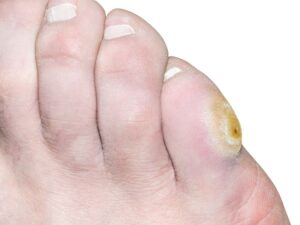
| Common Warts (Verruca Vulgaris) | Rough, cauliflower-like texture typically found on the hands, fingers, knees, and around the nails. |
| Plantar Warts (Verruca Plantaris) | Flat, deep-seated growths on the soles of the feet, often on pressure points and surrounded by a tough, callus-like rim. |
| Plane / Flat Warts (Verruca Plana) | Small, smooth, flat-topped bumps that can be flesh-colored or tan, commonly clustering on the face, forearms, or legs. |
| Filiform Warts | Long, narrow, finger-like projections that primarily appear on the face, lips, and eyelids. |
| Genital Warts (Condyloma Acuminata) | Painless, soft, flesh-colored or pink papules that appear in genital or perianal regions. |
Am I at risk for warts?
Warts are incredibly widespread and can affect anyone. They spread through direct skin-to-skin contact or by spreading the virus to other locations on your own body (autoinoculation).
- Age Group: School-aged children are particularly prone to common warts due to developing immunity and frequent close contact.
- Skin Barrier Vulnerabilities: If you struggle with conditions that disrupt your skin barrier, such as dermatitis, it is much easier for the virus to take hold.
- Environmental Exposure: Walking barefoot in public locker rooms, swimming pools, or engaging in contact sports elevates the risk of acquiring plantar and common warts.
- Weakened Systemic Immunity: Individuals with a globally suppressed immune system (such as from certain chronic conditions or immunosuppressive medications) are at a higher risk of developing widespread or highly resistant warts.
Where and How It Appears on My Body
Warts have a specific structural trait that distinguishes them from other skin lesions like corns or calluses.
- The “Black Dots”: On close inspection, you will often see tiny red or black pinpoints inside the growth. These are not “roots”; they are papillary capillaries—tiny blood vessels that the wart has redirected to feed itself.
- Disruption of Skin Lines: Warts alter and interrupt the natural fingerprint or skin lines of your body, whereas calluses allow the skin lines to run continuously across them.
- The “Linear” Scratch Pattern: Sometimes, warts will form a straight line along the path of a previous scratch or injury, a pattern known as pseudo-koebnerization.
Solutions I Can Try at Home
If you prefer an at-home approach for non-facial common warts, consistency is the absolute key to success. Missing even a single night can cause the growth to push back.
- The Soak and File Method: Before bed, soak the affected area in warm water to soften the skin, then pat it dry. Gently file away the dead white skin using an emery board or pumice stone.
- Over-the-Counter Salicylic Acid: Carefully apply a small amount of over-the-counter salicylic acid directly onto the surface of the growth. Avoid getting it on the healthy surrounding skin, as concentrated formulations can cause chemical burns.
- The Duct Tape Technique: Cover the treated area tightly with duct tape overnight to maximize product penetration and help strip away thin layers of the growth when removed. Cleanse thoroughly with soap and water in the morning.
When Should I See a Dermatology Provider?
Warts are notoriously stubborn, and at-home strategies are rarely effective if the growth has persisted for more than three months. Professional treatments offer a faster, deeper resolution.
Seek Professional Help if You Notice These “Red Flags”:
- Facial or Eyelid Involvements: Growths located on delicate areas like the face, eyelids, or lips should never be treated at home and require precise clinical care (such as filiform wart removal).
- Pain or Rapid Multiplication: The lesions become increasingly painful, bleed easily, or begin multiplying quickly across your hands or feet.
- Signs of Genital Transmission: Lesions appear in the genital or perianal area. These carry specific safety and malignancy risks and require formal counseling and specialized medical care.
- Diagnostic Uncertainty: A bump lacks the classic pinpoint capillary dots or shows excessive redness and inflammation, meaning it must be clinically evaluated to rule out conditions like squamous cell carcinoma.
Frequently Asked Questions
- Q: How does clinical liquid nitrogen work?
A: Cryotherapy applies extreme cold to freeze the tissue. This causes a controlled blister to form underneath the growth over 7–10 days. As the blister scabs over the following weeks, the infected skin pulls away. Because warts are deep, expect multiple treatments spaced 3–4 weeks apart for full clearance. - Q: Will warts disappear on their own if I do nothing?
A: Yes, many warts will eventually clear spontaneously as your body’s immune system naturally learns to recognize and suppress the virus. This is especially true in children, but adult warts tend to be far more persistent and frequently require active treatment. - Q: Why did a new wart pop up right next to an old one?
A: Warts are caused by a highly contagious surface virus. If you scratch, pick, or file a wart and then touch adjacent skin, you can accidentally inoculate the virus into microscopic breaks in the skin barrier, leading to new satellite lesions.
The long-term outlook for warts is excellent, as they are completely benign, surface-level viral changes. Success relies on patience, absolute persistence with your daily routine, and partnership with your provider to fully remove the affected skin layer.
Managing Human Papillomavirus (Warts) is complex and involves focusing on general skin care and working with a dermatology provider to determine the best treatment plan for you.