
Quick Summary: Lichen planus is a chronic, autoimmune inflammatory condition that causes distinctive, intensely itchy, purple-hued bumps on the skin or lacy white patches in mucous membranes. Successful management requires a professional biopsy for accurate diagnosis and a step-by-step treatment plan to calm the overactive immune response and protect tissue health.
What Is Causing These Purple Bumps and Lacy Patches?
Understanding how your body’s immune defense interacts with your skin cells is a strategic first step in managing lichen planus. This condition is driven by a T-cell mediated autoimmune response. You can think of this as a “misguided guard” event—your white blood cells mistakenly identify your own skin and mucosal cells (keratinocytes) as foreign threats and launch an internal, inflammatory attack against them.
Podcast:
Learn More About Lichen Planus
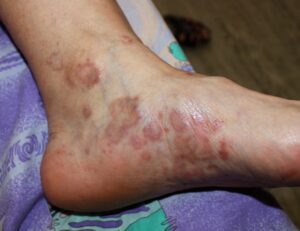
The appearance of lichen planus varies dramatically based on your natural skin tone. On lighter skin, the classic lesions look bright purple or violaceous; on darker skin complexions, the inflammation presents primarily as deep flesh-colored, dark brown, or hyperpigmented plaques. Identifying the structural variant of your condition is the “So What?” factor in your recovery, as skin, scalp, and oral presentations require completely different therapeutic strategies.
Understanding the Variants: A Guide to the Different Subtypes
Lichen planus is a highly adaptable condition that alters its architecture based on anatomical location. Recognizing your specific subtype helps you track your expected course of healing.
| Subtype | Key Characteristics and Visual Profiles |
|---|---|
| Classic Cutaneous LP | Characterized by the “5 P’s”: Pruritic (itchy), Planar (flat-topped), Polyangular (many-sided), Purple, Papules. Bumps are highly shiny and often display a fine, white, lacy surface network called Wickham’s striae. |
| Hypertrophic LP | Extremely itchy, very thick, hyperkeratotic plaques that develop chronically, most commonly on the shins. They are resistant to standard care due to repeated scratching. |
| Oral Lichen Planus | Manifests inside the mouth in multiple forms. The most common is the **reticular pattern**, which presents as a painless, lacy white network on the inner cheeks. The **erosive and bullous forms** cause painful, raw ulcers that make eating difficult. |
| Lichen Planopilaris | Lichen planus targeting the hair follicles on the scalp. It presents as small warty plugs surrounded by a narrow purple rim, which can destroy the hair roots and cause permanent scarring hair loss (alopecia). |
Am I at risk for lichen planus?
Struggling with the intense itch or mucosal pain of lichen planus is a biological event and has absolutely zero connection to a lack of cleanliness. Susceptibility is a combination of genetic traits and internal health markers.
- The Viral Link: There is a well-documented statistical association between lichen planus and the Hepatitis C virus. Screening for Hepatitis C is a routine clinical recommendation for new patients.
- Medication Mimics: Certain common blood pressure medicines (like thiazides or captopril) and specific dental metals can trigger an identical immune response known as a “lichenoid drug reaction.”
- The Stress Trigger: Both acute physical trauma and prolonged emotional stress are powerful engines that can exacerbate your symptoms and provoke sudden flares.
- The Injury Response (Koebner Phenomenon): Individuals with active disease are highly prone to developing straight lines of new purple bumps directly along areas of minor skin trauma, such as a scratch, a shaving nick, or tight clothing friction.
Where and How It Appears on My Body
Lichen planus leaves a highly symmetrical physical “map” across the body that helps your dermatology provider easily differentiate it from standard eczema or psoriasis.
- The Wrist Anchor: Cutaneous lesions show a profound preference for the flexor surfaces of the wrists and forearms, as well as the backs of the hands and the presacral area of the lower back.
- Symmetrical Limb Layout: Hypertrophic plaques favor the anterior lower legs (shins) and the tops of the feet, almost always appearing bilaterally on both sides of the body.
- Nail Architecture Changes: Approximately 10% of skin patients experience nail involvement, resulting in distinct longitudinal ridging, splitting, lateral thinning, or a distinctive scarring of the cuticle known as a **dorsal pterygium**.
Solutions I Can Try at Home
Because lichen planus is driven by an internal autoimmune process, home care focuses heavily on minimizing external trauma to prevent new lesions from being sparked.
- Absolute Friction Management: Wear loose, soft clothing and avoid scratchy fabrics like wool. Guard your skin against minor cuts and scrapes to prevent the linear tracking of the Koebner phenomenon.
- Gentle Oral Hygiene: If you have oral lesions, avoid spicy, acidic, or highly texturized crunchy foods that can rip open delicate mucosal tissues. Switch to mild, non-scented toothpastes that do not contain harsh whitening chemicals.
- Track Your Flares: Maintain notes on whether stress shifts or starting new over-the-counter products correlate with increased itching so you can actively manage those lifestyle factors.
When Should I See a Dermatology Provider?
A professional diagnosis is essential for lichen planus. Your provider must perform a safe in-office skin biopsy (shave or punch) to evaluate the tissue histologically and map out a targeted recovery path.
Seek Professional Help if You Notice These “Red Flags”:
- Scalp Plugs or Localized Hair Loss: You notice tiny, painful plugs on your scalp or areas where hair is thinning out cleanly, requiring immediate clinical care to halt permanent root scarring.
- Painful or Bleeding Mouth Ulcers: Your oral white lines evolve into raw, red, or bleeding erosions that interfere with normal eating, drinking, or swallowing.
- Chronic, Changing Leg Plaques: Long-standing hypertrophic leg plaques grow significantly thicker, lose their purple color, or develop an open sore. Deeper monitoring is required because long-standing hypertrophic and oral ulcers carry a rare risk of transforming into squamous cell carcinoma.
- Severe, Sleep-Disrupting Itch: The intense pruritus cannot be controlled with over-the-counter moisturizers and requires a clinical discussion about oral immunomodulators or targeted anti-inflammatory regimens.
Frequently Asked Questions
- Q: Can cutaneous lichen planus clear up on its own?
A: Yes. Widespread cutaneous skin lesions are often self-limiting and can resolve spontaneously within months to a few years, though they frequently leave behind stable shadows of dark post-inflammatory hyperpigmentation that take time to blend back in. Mucosal variants, however, tend to follow a much more chronic, persistent timeline. - Q: How do dermatologists manage severe cases that affect the whole body?
A: For localized disease, high-potency Class I topical steroid creams are the standard baseline. For generalized or highly resistant cases, your provider will proceed using a structured, step-by-step clinical algorithm that may include a short, targeted oral prednisone burst-and-taper (starting at 40mg daily), oral metronidazole courses, or advanced systemic immunomodulators like mycophenolate mofetil (MMF). - Q: Is oral lichen planus contagious during physical contact?
A: No. Lichen planus is an entirely internal, autoimmune inflammatory event. It is completely non-contagious, meaning it cannot be caught from or passed to someone else through kissing, sharing utensils, or physical touch.
The long-term outlook for cutaneous lichen planus is highly favorable, with many patients achieving complete resolution and excellent skin health. Success lies in early professional verification, strict avoidance of skin trauma, and consistent adherence to your clinical maintenance routine to keep your tissue protected.