
Quick Summary: Drug-induced alopecia is non-scarring hair loss caused by specific medications that disrupt the hair growth cycle. In most cases, the hair loss is reversible once the medication is adjusted or discontinued under medical supervision.
Why is my medication affecting my hair?
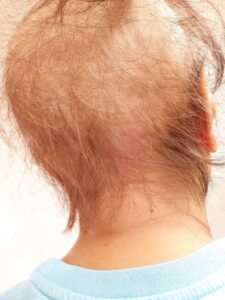
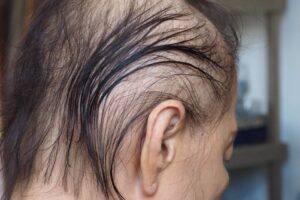
Certain medications can interfere with the follicles’ ability to produce hair. This usually happens in one of two ways: by shocking hairs into a resting phase (Telogen Effluvium) or by interrupting the active growth phase itself (Anagen Effluvium).
Podcast:
Learn More About Drug-Induced Alopecia
Types of Medication-Related Hair Loss
| Type | Common Cause | Timing |
|---|---|---|
| Anagen Effluvium | Chemotherapy drugs | Noticeable within days to weeks. |
| Telogen Effluvium | Blood thinners, BP meds, etc. | Noticeable 2-4 months after starting. |
Who is at risk?
The risk depends on the specific drug and your individual sensitivity. While chemotherapy affects almost everyone at a certain dose, other medications like antidepressants or blood pressure treatments only cause thinning in a small percentage of people.
Taking Charge: How can I feel better at home?
- Consult Your Doctor: Never stop a prescribed medication without medical advice. Ask if an alternative brand or dose is available.
- Gentle Styling: Avoid heat and chemical treatments to prevent breakage while hair is vulnerable.
- Nutritional Support: Focus on a diet rich in proteins and vitamins to support the follicles.
- Scalp Cooling: For those undergoing chemotherapy, scalp cooling caps may help reduce loss.
When should I see a doctor?
You should consult your healthcare team or a dermatology provider if:
- You notice sudden or excessive hair loss shortly after starting a new medication.
- Hair loss is accompanied by a rash, itching, or pain on the scalp.
- The thinning continues to progress even after several months.
- You are distressed by the hair loss and wish to discuss alternative treatments or management strategies.
Common Patient Questions
Q: Will my hair grow back?
A: Yes, in the vast majority of cases, hair begins to regrow once the medication is stopped or the body adjusts.
Q: Does it affect more than just my scalp?
A: Some medications, specifically chemotherapy, can affect eyebrows, eyelashes, and body hair.