
1. Understanding Your Skin’s Health
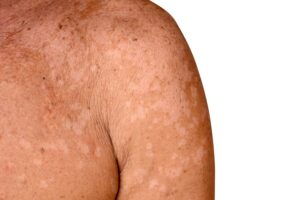
Discovering unusual patches on your chest, back, neck, or upper arms can be a source of significant anxiety, but it is important to know that you are not alone. Tinea versicolor—clinically known as pityriasis versicolor—is an incredibly common and highly manageable skin condition. Most importantly, its presence is not a reflection of your personal hygiene or cleanliness. While the appearance of these patches can be concerning, and they may sometimes cause mild pruritus (itching), they are a biological response to a yeast already living on your skin.

Podcast:
Learn More About Tinea Versicolor
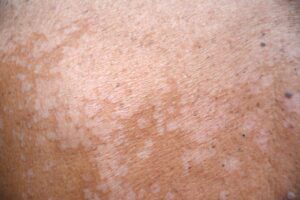
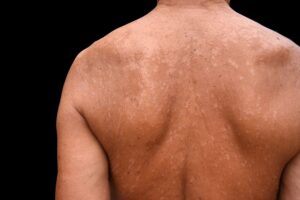
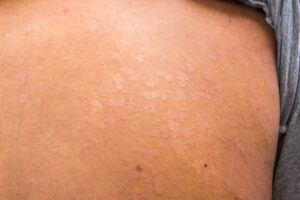
In essence, tinea versicolor involves the development of unevenly pigmented patches that may appear lighter or darker than the surrounding skin, often accompanied by a fine, flaky scale. Understanding that this is a common fungal overgrowth is the first vital step toward reclaiming your skin health and confidence. This knowledge transforms a confusing skin change into a manageable condition, allowing you to move forward with the right tools for balance.
2. What Causes These Spots on My Skin? (The Role of Malassezia)
Understanding the biological cause of tinea versicolor is essential for reducing the stress that often accompanies a skin diagnosis. When you recognize the microscopic process at work, the condition feels less like an unpredictable mystery and more like a manageable biological event.
Tinea versicolor is caused by an overgrowth of Malassezia fungi. It is a common misconception that this fungus is “caught” from an external source; in reality, Malassezia yeast is a normal, healthy part of everyone’s skin microbiota. The visible patches occur only when this yeast begins to grow excessively, changing the skin’s texture to a slightly rough or scaly feel and disrupting normal coloring.
| Pigment Type | Appearance | Common Traits |
| Hypopigmentation | Patches lighter than your natural skin tone. | Frequently seen in darker skin (Pityriasis versicolor alba). |
| Hyperpigmentation | Patches darker than the surrounding skin. | Often manifests in shades of coppery brown or pink. |
So What? Because the fungus responsible for tinea versicolor is a naturally occurring part of your skin, the objective of treatment is not “permanent eradication” of the yeast, but rather the restoration of a healthy biological balance. While the fungus is always present, certain environmental conditions act as a “green light” for it to spread, making your external environment just as important as the biology of your skin.
3. Am I at Risk? (Environmental and Personal Factors)
Identifying why an overgrowth happens allows you to take proactive control over your environment. While anyone can develop tinea versicolor, certain factors make the skin a more inviting host for Malassezia to thrive.
The primary environmental and personal triggers include:
- Hot, Humid Climates: High temperatures and moisture in the air provide the ideal breeding ground for yeast expansion.
- Heavy Perspiration: Frequent or heavy sweating creates the damp, oily conditions that Malassezia requires to grow rapidly across the upper trunk and arms.
So What? Understanding these triggers shifts the focus from “unluckiness” to “environmental management.” By recognizing that heat and moisture are the primary drivers, you can better understand why the condition may flare up during certain seasons or after physical activity, and you can prepare your treatment routine accordingly.
4. How Can I Treat This at Home? (Non-Prescription & Self-Care Solutions)
Consistent self-care is the most effective strategy for managing fungal overgrowth. Because tinea versicolor lives in the stratum corneum (the outermost layer of the skin), topical treatments are the frontline defense. These methods are strategically designed to deliver active ingredients across large surface areas, such as the back and chest, efficiently and affordably.
Antifungal Shampoos
Over-the-counter and prescription-strength antifungal shampoos are highly effective when used as a body wash. Look for products containing:
- Ketoconazole (1% or 2%)
- Selenium Sulfide (2.5%)
Application Method
For the best results, follow this specific clinical regimen:
- Apply to the body: While in the shower, apply the shampoo directly to the affected areas (chest, back, neck, and arms).
- Leave on for 5 minutes: This “contact time” is crucial for the active ingredients to penetrate the yeast and the fine scales.
- Rinse thoroughly: Wash the product away completely after the five-minute period.
- Repeat daily: Continue this process every day for 2 to 4 weeks.
Beyond Self-Care: Oral Options
In cases where topical treatments are not effective or the overgrowth is widespread, a clinician may recommend oral antifungal medications. The “gold standard” is often Fluconazole, typically taken as two 150 mg tablets on day one and repeated seven days later, often accompanied by an acidic drink to aid absorption.
Long-Term Maintenance
Tinea versicolor has a high rate of recurrence. To keep the skin balanced, it is recommended to continue using antifungal washes once or twice weekly indefinitely, especially during warm weather.
So What? Topical therapies are the primary strategy because they address the yeast directly at the source. Regular maintenance is the key to ensuring the yeast does not have the opportunity to overgrow again once the initial treatment phase is complete. However, knowing that oral options exist provides a safety net if your skin doesn’t respond to home care alone.
5. What to Expect: Healing and Recovery
One of the most important aspects of treating tinea versicolor is managing your expectations regarding the recovery of your skin’s pigment. Even after the yeast has been successfully neutralized, your skin may not return to its original color immediately.
Quick Recovery Checklist:
- Patience with Pigment: Understand that hypopigmented (lighter) areas may persist for several months after the fungus is gone. This is a normal part of the skin’s biological healing process.
- Monitor Texture: While color takes time to return, the “fine, flaky scales” should disappear relatively quickly. If the skin feels smooth, the treatment is likely working.
- Expect Recurrence: Be aware that the condition often returns in humid environments.
- Clinical Follow-Up: If you see no improvement in the texture or scaling of the patches after 4 to 6 weeks, follow up with a dermatologist to confirm the diagnosis.
So What? Knowing that lingering spots do not necessarily mean the treatment failed is vital for your peace of mind. This prevents unnecessary over-treatment and allows you to focus on the long-term health of your skin while your natural pigment gradually restores itself.
6. Summary and Key Takeaways for Clearer Skin
Tinea versicolor is a common and manageable condition that responds well to dedicated care. By maintaining a consistent routine and understanding the nature of your skin’s microbiota, you can effectively clear the overgrowth and maintain a healthy balance.
Critical Takeaways:
- It is common: This is a natural yeast overgrowth, not a sign of poor hygiene. It commonly appears on the chest, back, and neck.
- Texture matters: Look for fine, flaky scales as a sign of active overgrowth; once the skin feels smooth, the yeast is typically under control.
- Consistency is key: Maintenance therapy (weekly washing) is essential for those living in humid climates or prone to heavy sweating.
- Patience is required: Restoring your skin’s natural color is a slow process that takes time even after the fungus is successfully treated.
Stick to your self-care routine and give your skin the time it needs to heal. With the right approach and a focus on long-term prevention, clearer, healthier skin is a sustainable and achievable goal.