
The Body’s Natural Protective Response
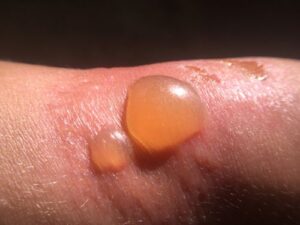
While discovering a blister can be a source of discomfort, it is helpful to view it as a strategic biological success. Your body creates these fluid-filled pockets as a sophisticated protective mechanism, designed to cushion damaged tissue and promote natural recovery. A blister is a small, bubble-like lesion that forms between the layers of your skin—specifically between the epidermis (the outermost layer) and the dermis (the layer beneath that contains blood vessels and other structures).
These pockets are typically filled with serum, a clear fluid similar to plasma that provides a sterile environment and a protective “buffer” for the underlying tissue. Understanding the “why” behind these lesions is the first step toward effective treatment.
Podcast:
Learn More About Trauma or Heat Blisters
Why Do Blisters Form? Understanding the Causes
Identifying the root cause of a blister is essential for choosing the correct management strategy. Blisters are specific reactions to external trauma, environmental stressors, or underlying conditions rather than random occurrences.
Friction and Pressure
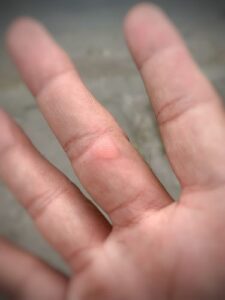
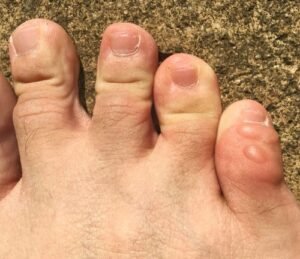
Repetitive rubbing or pressure against the skin is the primary cause of blister formation. This often occurs when skin is subjected to constant motion against tools or clothing. When layers of skin are forced to slide against one another, they eventually separate and fill with fluid to protect the area from further damage.
Heat and Environmental Exposure
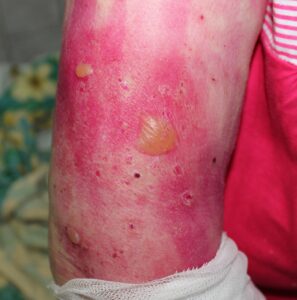
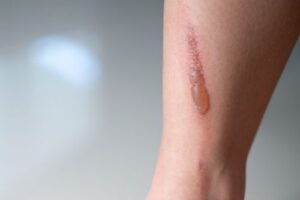
Exposure to extreme temperatures can lead to “heat blisters.” This includes scalds and second-degree burns, where the skin becomes red, shiny, and inflamed. It is important to distinguish these from first-degree burns, which cause redness and pain but do not produce blisters. Additionally, blisters may form during the process of warming up skin following frostbite.
Blocked Sweat Ducts (Miliaria)
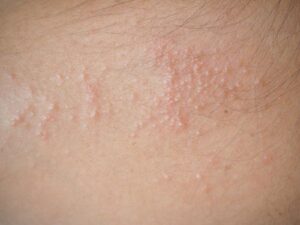
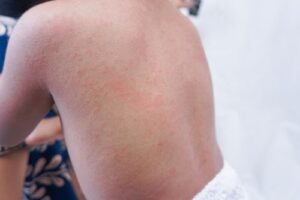
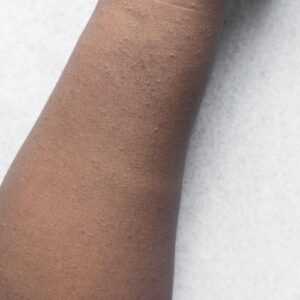
Commonly known as “prickly heat” or “heat rash,” this condition occurs when sweat ducts become blocked, trapping moisture beneath the skin. This results in clusters of small, itchy, or prickly bumps. This is most prevalent in hot, humid environments where sweat accumulates under tight clothing.
Pinching and Blood Vessel Damage
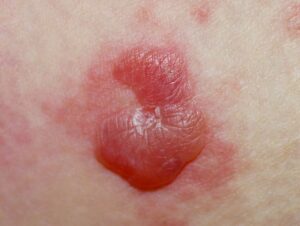
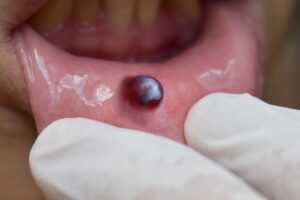
When a pinching injury occurs—such as catching a finger in a hinge—the trauma may damage underlying blood vessels beneath the skin’s surface without breaking the outer layer. This results in localized bleeding under the skin, forming a blood blister , which appears as a dark purplish-red, dome-shaped bump. Understanding these triggers allows you to evaluate your environment and lifestyle to identify where your skin is most vulnerable.
Am I At Risk? Identifying Vulnerability Factors
Recognizing personal risk factors allows for proactive skin protection. While anyone can develop a blister, certain lifestyles and conditions increase your vulnerability:
- Activity and Athleticism: Individuals with high activity levels, such as athletes and military personnel, face higher friction risks due to repetitive motion and sustained pressure.
- Poorly Fitting Footwear: This is a major risk factor; shoes that are either too tight or too loose create the perfect environment for friction blisters on the feet.
- Occupational Hazards: Manual labor that requires repetitive hand motions or the frequent use of tools increases the likelihood of developing blisters on the palms and fingers.
- Environmental and Chemical Risks: Frequent sun exposure without protection increases the risk of second-degree sunburns. Similarly, handling detergents, solvents, or other irritating chemicals without gloves can compromise skin integrity. Recognizing these risks is the first step; knowing how to respond when a blister appears is equally vital for your recovery.
How to Treat Blisters at Home: A Step-by-Step Guide
The primary goal of home care is to support the skin’s natural healing process while preventing secondary infection. Most blisters will heal on their own within a few days if you follow these steps:
- Adhere to the “Golden Rule”: Leave the blister intact. Your skin is a natural, sterile barrier. Do not pop or peel a blister yourself, as breaking this barrier significantly increases the risk of infection.
- Manage Burst Blisters: If a blister ruptures on its own, do not peel off the remaining dead skin. Gently wash the area with mild soap and water, then cover it with a sterile dressing.
- Utilize Specialized Protection: For small intact blisters or those that have already burst, use a hydrocolloid dressing . These act like a “second skin,” reducing pressure while providing an optimal healing environment.
- Care for Blood and Burn Blisters: Keep blood blisters clean and dry; applying an ice pack immediately after the injury can help manage pain and swelling. For burn blisters, wash gently with mild soap, apply a petroleum-based ointment, and cover loosely with a sterile bandage. Avoid applying ice directly to a burn blister.
- Address Sunburn Inflammation: For blisters caused specifically by sun damage, applying topical steroids to the affected area can help reduce inflammation and minimize further blistering. While these steps manage the majority of cases, some situations require expert intervention to ensure a safe recovery.
When Should I See a Doctor? Recognizing Warning Signs
Monitoring a blister for complications is a strategic part of the healing process. Fortunately, most blisters are diagnosed simply based on their appearance and history , meaning invasive tests are rarely necessary. However, you should be vigilant for “red flags. “Signsof Infection and Severity:
- The presence of pus (yellowish or greenish fluid).
- Spreading redness or increased heat around the site.
- The blister is very painful or the pain is worsening.
- The blister results from a third-degree burn or severe frostbite. Look-Alike Conditions: It is important to note that blisters can sometimes be symptoms of underlying viral or bacterial conditions rather than trauma. Seek medical advice if you suspect your blisters may be related to:
- Chickenpox or Hand, foot, and mouth disease.
- Cold sores or Impetigo.
- Scabies. If a blister is large or excessively painful, a healthcare provider may choose to safely decompress it (relieve the pressure) in a sterile environment. Never attempt this yourself.
Can I Prevent This Condition? Proactive Skin Protection
Prevention is the most effective way to maintain skin integrity and avoid future discomfort. By prioritizing your skin health today, you can remain active and comfortable. Key Actionable Strategies:
- Ensure Well-Fitting Shoes: Wear footwear that fits correctly—avoiding shoes that are too tight or too loose—to minimize friction.
- Use Moisture-Wicking Socks: These keep feet dry and reduce the “slip” that leads to lesions.
- Wear Protective Gloves: Use gloves when performing manual labor or handling chemicals to protect the hands.
- Apply Sunscreen: Consistently use high-SPF protection to prevent the second-degree burns that cause blistering.
- Manage Friction: Use talcum powder or specialized lubricants in areas prone to rubbing. By following these guidelines, you are providing your body with the best environment to maintain its natural protective barrier and ensure long-term skin health.