
Schedule Your Acne Consultation
Clearer skin is possible with the right care and expertise. If you’re struggling with breakouts, rosacea, razor bumps, or persistent acne, our dermatologists are here to help.
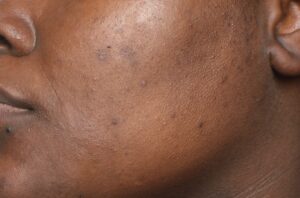
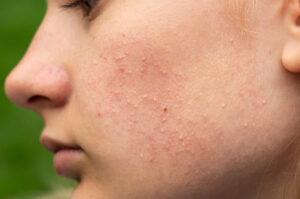
Skin Conditions that Mimic Acne
Podcast:
Learn More About Acne
Comprehensive Acne Care Tailored to Your Life
At Skin Solutions Dermatology, our board-certified dermatologists provide clinical excellence with a personalized touch. With 11 locations across Middle Tennessee, we specialize in advanced acne protocols tailored to all ages, skin types, and lifestyles.
Understanding the Root Causes of Acne
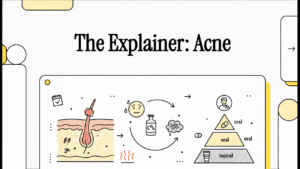
Acne is a complex inflammatory condition of the "pilosebaceous unit"—the hair follicle and its associated oil gland. When the natural process of oil production and skin cell shedding is disrupted, it creates a blockage that leads to visible breakouts.
There are five main factors that contribute to acne development:
Hormones: Androgens (hormones that increase during puberty and stress) can enlarge oil glands.
Excess Sebum: Overactive oil glands create an environment where acne thrives.
Follicle Clogging: Dead skin cells "stick" together rather than shedding, trapping debris.
Bacteria: C. acnes bacteria multiply inside blocked pores, causing redness.
Genetics: If your parents struggled with acne, you may be biologically predisposed to it.
Commonly Asked Questions About Acne
Expert insights from our Middle Tennessee dermatologists to help you manage your skin daily.
We recommend washing twice daily with a dermatologist-approved cleanser.
Our Recommendations:
Crucial Tip: Avoid over-scrubbing or using harsh physical exfoliants, as these can compromise the skin barrier and trigger "rebound" oil production.
Yes. Many acne medications or treatments are drying. Using a non-comedogenic (pore-friendly) moisturizer maintains the skin's protective barrier, preventing it from overcompensating with more oil production.
While not the primary cause of acne, high-glycemic foods (sugary snacks, white bread) and certain dairy products may increase systemic inflammation for some patients. We encourage tracking your diet to see if specific foods correlate with your flare-ups.
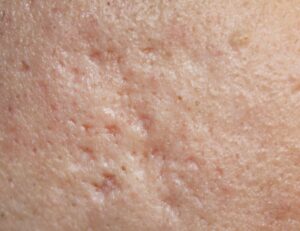
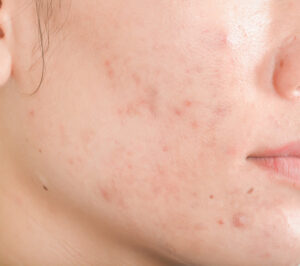
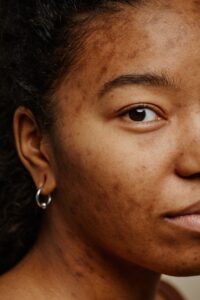
Many conditions mimic the appearance of acne but require entirely different medical treatments. We expertly diagnose:
- Rosacea: Chronic redness and small, pus-filled bumps (often central to the face).
- Folliculitis: Infection or inflammation of the hair follicles.
- Perioral Dermatitis: A persistent rash typically found around the mouth.
- Razor Bumps (Pseudofolliculitis Barbae): Irritation from ingrown hairs.
Yes. Look for products labeled “non-comedogenic” or “oil-free.” We recommend mineral-based powders or breathable liquid foundations. Ensure all makeup is thoroughly removed at night to allow your treatment medications to penetrate the skin.
For a light coverage look, try EltaMD Tinted SPF - available for light, medium, and deep skin tones! It's mineral, formulated to reduce breakouts, and tinted.
Clinical Treatment Solutions
Because skin cells take time to regenerate, most clinical plans require 4–6 weeks of consistent use before significant improvement is visible.
- Topical Prescriptions: Medical-grade retinoids and anti-inflammatories to clear pores.
- Oral Medications: Including antibiotics, hormonal regulators, or Isotretinoin for severe cystic cases.
- In-Office Procedures: Chemical peels, professional extractions, and laser therapy to treat active breakouts and reduce acne scarring.
Schedule Your Acne Consultation
Clearer skin is possible with the right care and expertise. If you’re struggling with breakouts, rosacea, razor bumps, or persistent acne, our dermatologists are here to help.