
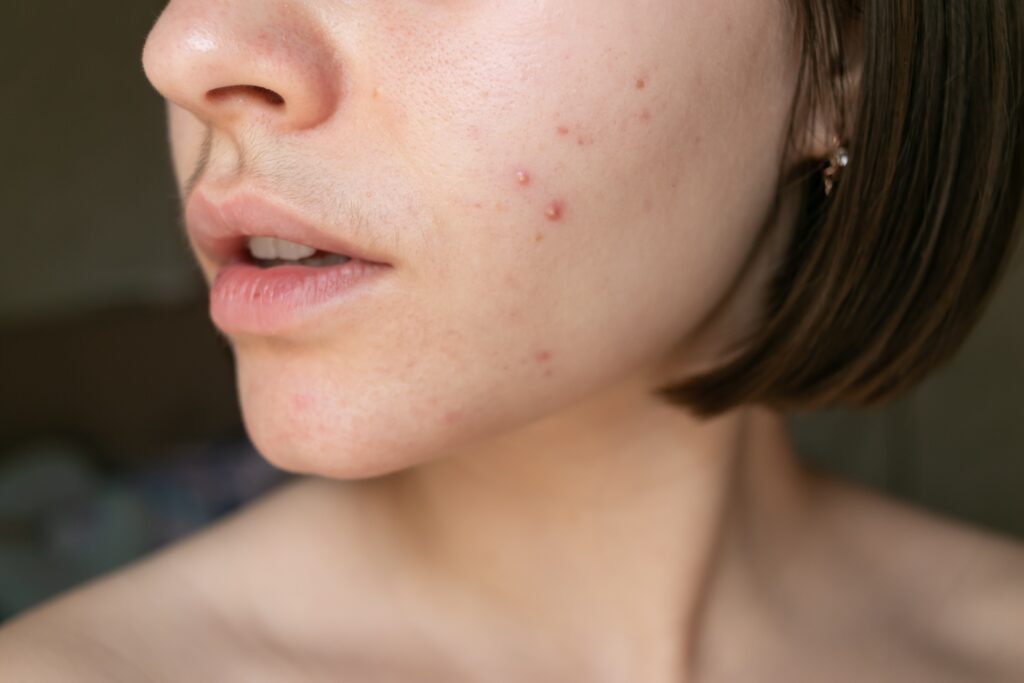
What are the most common triggers for sudden acne flares?
Acne flares are primarily triggered by internal hormonal fluctuations, specific dietary choices, and high-dose wellness supplements. Fluctuations in endogenous androgen hormones stimulate the sebaceous glands to overproduce sebum (oil), while high-glycemic foods and dairy products elevate insulin-like growth factors that increase systemic inflammation and clog pores. Additionally, hidden triggers like high-dose biotin or Vitamin B12 supplements alter skin bacteria pathways, frequently causing severe, treatment-resistant breakouts.
Is Acne Caused by Poor Hygiene? (The Cleanliness Myth)
If you are struggling with persistent breakouts, it is incredibly easy to feel frustrated, overwhelmed, or even blamed by well-meaning advice telling you to “just wash your face.” Let’s clear the air right now: it is not your fault your skin is breaking out.
One of the most damaging misconceptions about acne is that it is caused by dirty skin or poor hygiene. This myth often leads individuals to scrub their faces aggressively or over-wash with harsh cleansers. However, face washes that gently exfoliate are beneficial but can contribute to dry skin if overused, leading to irritation. Acne forms deep inside the microscopic channels of your hair follicles, far below the surface where a simple surface wash can reach.
The Four Biological Pillars: How Acne Forms Inside the Pore
To truly understand how to manage acne, we have to look at the exact biological sequence occurring beneath the surface of the skin. Acne develops through four distinct, interconnected phases:
1. Hormonal Triggers and Sebum Overproduction: Endogenous and exogenous androgenic hormones signal your sebaceous (oil) glands to produce an excess amount of sebum.
2. Distension and Occlusion (Sticky Skin Cells): In healthy skin, dead skin cells naturally shed and exit the pore. In acne-prone individuals, sticky cells clump together, causing a distension and occlusion of the hair follicles.
3. Pore Clogging (The Comedone): When the excess, thick sebum mixes with those sticky, trapped dead skin cells, it forms an uninflamed blemish deep inside the follicle, creating an open comedone (blackhead) or closed comedone (whitehead).
4. Bacterial Proliferation and Inflammation: The blocked pore becomes the perfect breeding ground for Cutibacterium acnes ($C.\ acnes$), which is a normal part of everyone’s skin microbiome but overgrows in acne-prone pores. As the bacteria multiplies, your body’s innate immune activation sends inflammatory mediators to the site, resulting in visible, inflamed papules and pustules. In severe cases, this deep pressure can cause nodules and fluid-filled pseudocysts to develop.
Unexpected Acne Triggers: The Hidden Culprits
While acne has a strong familial tendency, several everyday risk factors can trigger severe acne flares. If your acne is resistant to traditional treatments, it may be time to evaluate these hidden clinical culprits:
1. High-Dose Vitamins and Supplements
A major trend in modern wellness is taking high-dose supplements for hair, skin, and nails. However, our top-performing clinical data shows that specific vitamins—particularly high doses of Vitamin B12 and biotin—can alter the metabolic pathways of skin bacteria, triggering severe, painful acne flares in certain individuals.
2. High-Glycemic Diets and Dairy
While diet does not cause acne outright, there is research that suggests that dairy products and foods with a high glycemic index (processed sugars, simple carbohydrates) may act as a trigger for acne flares in certain individuals. If you notice you break out whenever you eat a particular food, it is highly recommended to avoid that food.
3. Occlusive Cosmetics & Humidity
The application of occlusive cosmetics can trap heat, sweat, and debris against the skin, physically blocking the hair follicles. This risk factor is heavily exacerbated in environments with high environmental humidity.
Is It Actually Acne? Conditions That Look Alike
Not every bump on your skin is traditional acne vulgaris. It is critical to get a professional clinical evaluation because treating a look-alike condition with standard acne topicals can severely irritate your skin:
Fungal Folliculitis (Pityrosporum Folliculitis): Unlike traditional acne, fungal folliculitis presents as pustules centered on hair follicles that are characteristically pruritic (intensely itchy). It is most commonly located on the chest and back and is driven by an overgrowth of yeast, meaning it won’t respond to traditional antibacterial acne washes.
Drug-Induced Folliculitis: This condition presents as sudden, uniformly shaped (monomorphic) papules across the body, with a common location being the back. It is characterized by an absence of comedones (no blackheads or whiteheads) and is caused by certain drugs such as steroids, hormones, lithium, or anticonvulsants.
Rosacea: Often mistaken for adult acne, rosacea is characterized by facial flushing, visible blood vessels (telangiectasias), and heightened sensitivity to triggers like hot food or alcohol, completely lacking the clogged blackheads or whiteheads seen in true acne.
Ready to Take Control of Your Skin Journey?
Because acne is a complex, multifactorial condition, managing it effectively requires a holistic approach with patience, consistency, and an individualized treatment plan tailored perfectly to your skin type (normal, dry, oily) and lesion type.
Topical treatments—such as benzoyl peroxide, azelaic acid, and retinoids—are typically the first line of defense, though oral medications or advanced therapies like Accutane (isotretinoin) may be required for moderate to severe cases.
Want to see past topics? Explore Our Expert Advice here.