
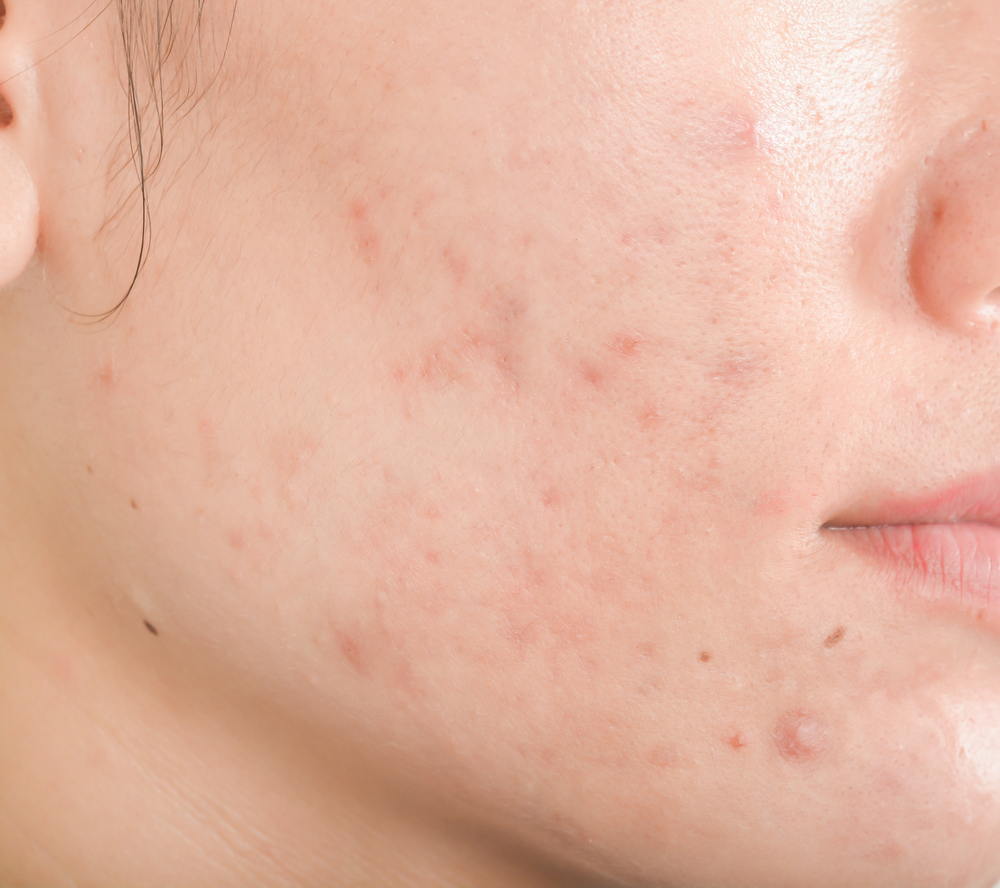
What is the main cause of acne breakouts?
Acne is a complex, multifactorial medical condition primarily triggered by a combination of genetics, hormonal fluctuations, overactive oil glands, and an accumulation of sticky dead skin cells that plug the hair follicle. This oxygen-deprived environment prompts an overgrowth of Cutibacterium acnes (C.acnes), a bacteria naturally found in the skin’s microbiome that triggers innate immune activation and painful inflammation when trapped. It is a biological process occurring deep within the dermis, meaning breakouts are driven by internal physiology, not a lack of cleanliness or poor hygiene.
Is Acne Caused by Poor Hygiene? (The Cleanliness Myth)
If you are struggling with persistent breakouts, it is incredibly easy to feel frustrated, overwhelmed, or even blamed by well-meaning advice telling you to “just wash your face.” Let’s clear the air right now: it is not your fault your skin is breaking out.
One of the most damaging misconceptions about acne is that it is caused by dirty skin or poor hygiene. This myth often leads individuals to scrub their faces aggressively or over-wash with harsh cleansers, which actually strips the protective moisture barrier, increases irritation, and can signal the skin to produce even more oil. Acne forms deep inside the microscopic channels of your hair follicles, far below the surface where a simple surface wash can reach.
The Four Biological Pillars: How Acne Forms Inside the Pore
To truly understand how to manage acne, we have to look at the exact biological sequence occurring beneath the surface of the skin. Acne develops through four distinct, interconnected phases:
1. Hormonal Triggers and Sebum Overproduction: Endogenous and exogenous androgenic hormones signal your sebaceous (oil) glands to produce an excess amount of sebum.
2. Retention Hyperkeratosis (Sticky Skin Cells): In healthy skin, dead skin cells naturally shed and exit the pore. In acne-prone individuals, a process called retention hyperkeratosis causes these dead cells to become unusually “sticky,” clumping together and causing a distension and occlusion of the hair follicle.
3. Pore Clogging (The Comedone): When the excess, thick sebum mixes with those sticky, trapped dead skin cells, it forms an uninflamed blemish deep inside the follicle, creating an open comedone (blackhead) or closed comedone (whitehead).
4. Bacterial Proliferation and Inflammation: The blocked pore becomes the perfect breeding ground for Cutibacterium acnes (C. acnes), which is a normal part of everyone’s skin microbiome but overgrows in acne-prone pores. As the bacteria multiplies, your body’s innate immune activation sends inflammatory mediators to the site, resulting in inflamed papules, pustules, or more severe nodules and pseudocysts.
Unexpected Acne Triggers: The Hidden Culprits
While acne has a strong familial tendency and biological root, certain external and lifestyle factors can unexpectedly trigger severe flares. If your acne is resistant to traditional treatments, it may be time to evaluate these hidden clinical culprits:
1. High-Dose Vitamins and Supplements
A major trend in modern wellness is taking high-dose supplements for hair, skin, and nails. However, specific vitamins—particularly high doses of Vitamin B12 and biotin—can alter the metabolic pathways of skin bacteria, triggering severe, painful acne flares in certain individuals.
2. High-Glycemic Diets and Dairy
While diet does not cause acne outright, clinical research shows that a high intake of dairy products and foods with a high glycemic index can trigger or exacerbate acne in certain individuals by elevating insulin-like growth factors, signaling your oil glands to pump out more sebum.
3. Occlusive Cosmetics & Environmental Factors
The application of occlusive cosmetics or exposure to high environmental humidity traps heat, sweat, and debris against the skin. This physically blocks and distends the hair follicles, accelerating the formation of comedones.
Is It Actually Acne? Conditions That Look Alike
Not every bump on your skin is traditional acne vulgaris. It is critical to get a professional clinical evaluation because treating a look-alike condition with standard acne topicals can severely irritate your skin:
Fungal Folliculitis (Pityrosporum Folliculitis): If you have intensely itchy (pruritic) bumps concentrated most commonly on your chest, back, or upper arms, it might be fungal folliculitis. This is an inflammation centered on hair follicles caused by an overgrowth of yeast, not bacteria, and it will not respond to traditional antibacterial acne washes.
Drug-Induced Folliculitis: This condition presents as sudden, uniformly shaped (monomorphic) papules, often across the back, with a distinct absence of comedones. It is directly caused by certain drugs, such as steroids, hormones, lithium, anticonvulsants, or epidermal growth factor receptor inhibitors.
Rosacea: Often mistaken for adult acne, rosacea is characterized by facial flushing, visible blood vessels (telangiectasias), and heightened sensitivity to triggers like hot food or alcohol, completely lacking the clogged blackheads or whiteheads seen in true acne.
Ready to Take Control of Your Skin Journey?
Because acne is completely rooted in internal biology, treating it effectively requires a customized, clinical approach rather than surface-level guesswork. Real, lasting results happen when you target the root causes with the right active ingredients and professional guidance.
Whether you are looking to build a targeted regimen with medical-grade, dermatologist-suggested products or need a comprehensive, individualized treatment plan, we are here to support you every step of the way.
Consult Our Experts: Schedule a professional skin evaluation with our clinical team to receive a tailored treatment plan designed for your specific skin and lesion type. Book an Appointment Today!
Shop Dermatologist-Suggested Skincare: Explore our curated selection of medical-grade washes, anti-inflammatory zinc sunscreens, and targeted treatments to support your skin’s healing and recovery.
Want to see past topics? Explore Our Expert Advice here.