
What is an Evening Screen-Free Reset?
In nature, the light shifts from blue to amber as the sun goes down, signaling to your brain to start producing melatonin. In our modern lives, we often override this signal with high-intensity blue light from our phones and laptops. An Evening Screen-Free Reset is the disciplined practice of turning off all screens 60 minutes before bed. This isn’t just a “break”—it is a biological reset that allows your circadian rhythm to take over.
How Blue Light Affects Your Skin’s Foundation
The impact of blue light isn’t just on your eyes; it’s on your internal clock. Your skin cells have their own “clock genes” that tell them when to protect (day) and when to repair (night).
When you scroll late into the night, you confuse these genes. Your skin stays in “protection mode” when it should be focused on lipid production and barrier repair. This is a major contributor to the “Digital Gray”—that sallow, dull complexion that comes from a system that never truly gets to rest.
Circadian Rhythms and the Repair Window
The most intense period of skin repair happens between 10:00 PM and 2:00 AM. If your cortisol is still spiked by blue light and “cheap dopamine” from scrolling during this window, you are effectively skipping your body’s most important maintenance shift.
By practicing an Evening Screen-Free Reset, you are “clearing the deck” so your body can:
• Lower Cortisol: Moving you out of the “Survival Tax” state and allowing your cells to stop panicking and start repairing.
• Boost Melatonin: Which acts as a powerful internal antioxidant to neutralize the day’s environmental damage.
• Accelerate Barrier Fixes: This ensures you wake up with skin “bounce”—the firm, hydrated resilience of a healthy foundation—rather than the “fog” of a sallow, dull, and exhausted complexion.
How to Implement a Simple Screen-Free Reset into Your Routine
Set the Alarm: Set a “Phone Bedtime” alarm 60 minutes before you actually want to sleep.
Charge Out of Reach: Move your phone to another room (or across the room) to avoid the “one last scroll” temptation.
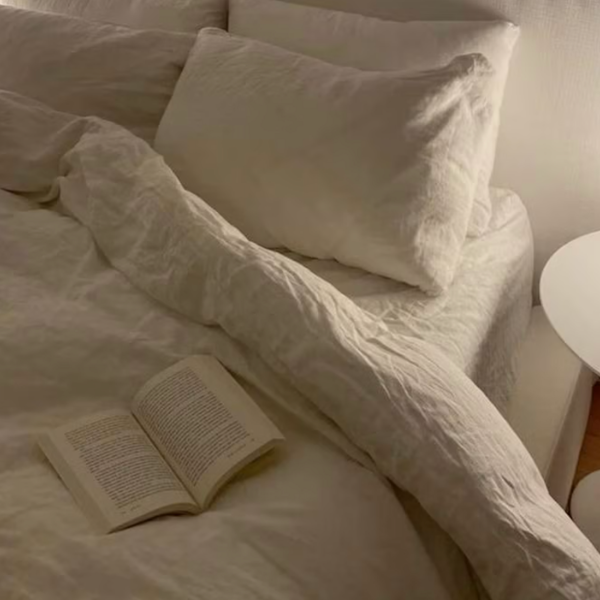
The Analog Alternative: Replace your screen with a physical book, a journal, or 10 minutes of deep breathing. This signals to your nervous system that the threat of the day has passed.
Entering Into Spring With Clarity
As we enter into spring, we want our systems to be energized, not drained. Use the Evening Screen-Free Reset to reclaim your evening and give your foundation the rest it deserves.
Commonly Asked Questions
Does blue light from phones actually damage skin?
While the direct light damage is less than UV rays, the real “damage” is systemic. Blue light disrupts your sleep-wake cycle, which inhibits the nighttime repair processes that keep your skin resilient and hydrated.
Can blue light glasses help my skin?
They help your eyes and can reduce some strain, but they don’t stop the mental stimulation or the “dopamine loop” of scrolling. For skin health, the most effective solution is a total screen-free window before bed.
Why does my skin look dull or gray when I’m tired?
Systemic fatigue affects your microcirculation. When your nervous system is exhausted and blood flow slows down, your skin loses its natural “glow” and takes on a sallow or gray appearance, often accompanied by dark circles. This is a direct result of disrupted repair cycles and poor circulation—frequently triggered by high stress and too much screen time before sleep.
Want to see past topics? Explore Our Expert Advice here.