
Quick Summary: Raynaud Phenomenon and Chilblains (Pernio) are distinct vascular conditions triggered by exposure to cold temperatures [cite: 2139, 2149, 2192]. While Raynaud's involves temporary narrowing or spasms of small blood vessels causing episodic color changes, Chilblains present as localized, painful, or itchy inflammatory bumps [cite: 2139, 2141, 2147, 2149, 2192]. Both conditions can occur on their own or serve as an important warning flag for an underlying systemic disease [cite: 2148, 2195]. Clinical management focuses on strict lifestyle protection, separating primary from secondary variants, and executing targeted therapy to maintain circulation [cite: 2155, 2170, 2172, 2195].
What Is Causing My Cold-Triggered Skin Discoloration and Bumps?
Understanding how your peripheral blood vessels react to temperature shifts is a strategic first step in managing your condition. These conditions do not stem from poor hygiene or a lack of skin cleanliness. Instead, they represent localized circulatory disorders driven by exaggerated vascular reflexes [cite: 2147, 2149, 2229].
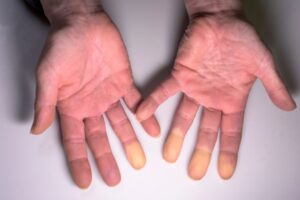
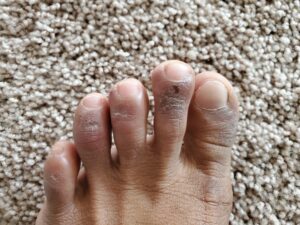
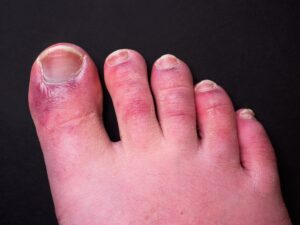
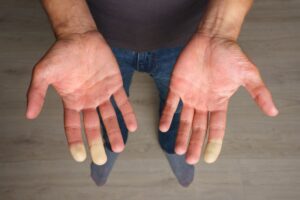
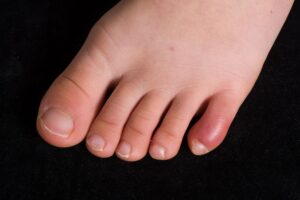
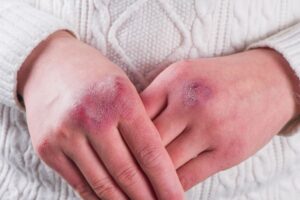
Depending on the specific presentation, the mechanisms function along two separate lines:
- Raynaud Phenomenon: Driven by temporary, episodic blood vessel spasms (vasospasms) in small arteries [cite: 2147, 2149, 2242]. When exposed to cold or sudden emotional stress, these vessels constrict excessively, shutting down oxygenated blood delivery to the tissue lines [cite: 2147, 2193, 2240].
- Chilblains (Pernio): Caused by an abnormal, prolonged vascular reaction to cold and damp conditions [cite: 2149, 2150]. Instead of a quick spasm, the blood vessels remain constricted for extended periods, locking the tissue into low oxygen states (hypoxemia) and triggering dense, painful localized skin inflammation [cite: 2149, 2215].
You can think of these episodes as an internal “circulatory circuit overload.” Identifying these structural patterns early through an expert clinical physical evaluation is the essential “So What?” factor in your skincare routine [cite: 2156, 2163]. Pinpointing whether your symptoms represent an isolated primary event or a secondary expression of a hidden condition avoids dangerous treatment delays and ensures your cardiovascular network stays protected [cite: 2195].
Understanding the Spectrum: Comparing Raynaud’s to Chilblains
While both conditions are triggered by cold environments, they manifest with completely different visual timelines and physical structural layouts across your extremities [cite: 2192]. Recognizing these core differences helps guide your provider toward the correct medical algorithm [cite: 2155, 2163].
| Condition Type | Key Differentiators and Visual Configurations |
|---|---|
| Raynaud Phenomenon | Visual Evolution: Features a classic, dramatic tri-color tri-phase progression [cite: 2139]. Areas suddenly turn stark white (lack of blood flow), shift to a dusky blue (oxygen deprivation), and finally flush bright red as blood rushes back into the tissue [cite: 2139]. Sensation: Dominated by coldness, severe numbness, and throbbing pain during rewarming [cite: 2140]. Individual episodes are brief and completely transient [cite: 2139, 2156]. |
| Chilblains (Pernio) | Visual Evolution: Presents as fixed, localized, and swollen red or deep purple inflammatory bumps, patches, or nodules resting under the skin [cite: 2141, 2142, 2165]. In severe presentations, the skin barrier can split open to form localized blisters, hard scabs, or deep sores [cite: 2142]. Sensation: Characterized by continuous, intense burning, localized tenderness, or severe surface itching [cite: 2141, 2186]. Lesions are fixed, lasting at least 24 hours up to multiple weeks [cite: 2165, 2189]. |
Am I at risk for secondary vascular complications or autoimmune diseases?
Developing an abnormal vascular reaction is an internal circulatory event [cite: 2147, 2149]. It is completely independent of lifestyle flaws or cleanliness, though distinct susceptibility lines dictate your expected disease course [cite: 2152, 2153].
- Primary vs. Secondary Split Risks: Understanding whether your condition is primary or secondary dictates your safety profile [cite: 2195]:
- Primary Variants: Are purely idiopathic, tend to peak in young women, represent self-contained vascular hypersensitivities, and carry zero risk of internal tissue damage [cite: 2148, 2152, 2195].
- Secondary Variants: Are triggered by a serious underlying disorder, can surface at an older age, and require immediate multi-system clinical surveillance [cite: 2148, 2152, 2195].
- The Autoimmune and Connective Tissue Link: Having secondary Raynaud’s or chronic chilblains places you at a high risk for a major underlying connective tissue disease [cite: 2152, 2153]. These include **Systemic Sclerosis (Scleroderma/CREST syndrome), Systemic Lupus Erythematosus (SLE), Dermatomyositis, and Sjögren syndrome** [cite: 2159].
- Medication and Occupational Triggers: Your blood vessels are at an extreme risk of constriction if you take specific prescription drugs—such as **beta-blockers, oral contraceptive pills, clonidine, or certain chemotherapy treatments** [cite: 2160]. Occupational hazards include outdoor labor or using high-frequency vibrating machinery (like pneumatic drills or chainsaws) [cite: 2153, 2162].
- Severe Extremity Threats: In severe secondary configurations, prolonged low oxygen states can cause structural blood vessel blockages (thrombosis) [cite: 2185, 2241]. This locks the tissues into severe ischemia, leading to non-healing fingertip ulcers, tissue death (gangrene), or permanent structural loss in the extremities if left unmanaged [cite: 2188, 2219].
Where and How It Appears on My Body
Vascular hypersensitivity syndromes layout precise geographical maps across your skin surface, strictly favoring acral sites that experience the maximum drop in localized temperature [cite: 2144, 2145, 2197].
- The Acral Site Anchor: Rashes and color shifts selectively populate the outermost extremities—clustering heavily across the fingers and toes [cite: 2139, 2141, 2144, 2145]. Secondary anatomical hot spots include the earlobes, the cartilage lines of the nose, and the nipples [cite: 2144, 2145].
- The Climate Triggers: Raynaud’s attacks are sharply triggered by sudden cold air, touching frozen items, or shifting into an air-conditioned room [cite: 2147, 2156, 2193]. Chilblains selectively favor **damp, moist, non-freezing cold climates**, which trap sweat against the skin and accelerate rapid heat loss [cite: 2150, 2193]. Widespread thigh-directed chilblains are seen in individuals who ride horses in the winter [cite: 2145].
- The Blaschko and COVID Markers: Look closely at the tips of your toes. A unique presentation linked to the **COVID-19** viral pathway manifests as localized, bright red-to-purple chilblain-like bumps popping up symmetrically across your toe pads, even without an extensive history of chronic cold exposure [cite: 2150].
- Muted Complexion Clues: On deeper skin tones, the bright crimson redness of a rewarming phase or an early chilblain bump can appear muted, dusky purple, or matted dark brown [cite: Image 2]. On skin of color, checking your nail beds for changes and evaluating localized temperature (noting if a finger feels ice-cold compared to your palm) are vital anchors used to trace active episodes [cite: 2139, 2156].
Solutions I Can Try at Home
Because these conditions are driven by internal blood vessel narrowing and neural responses, external over-the-counter anti-itch creams offer very limited structural benefit [cite: 2147, 2149]. Home support focuses entirely on mechanical thermal insulation and removing environmental engines [cite: 2170, 2172].
- Implement Strict Thermal Core and Layer Protection: This is your single most critical tool [cite: 2170, 2172]. Dress in multiple soft, loose layers, wear wind-resistant garments, and always utilize insulated gloves and thick wool socks before stepping outdoors [cite: 2170, 2172]. Focus heavily on keeping your **entire body core warm** to naturally prevent the systemic nervous reflex that forces your extremity vessels to shut down [cite: 2170, 2229].
- Commit to Absolute Smoking Cessation: If you use tobacco, stopping immediately is a vital clinical milestone [cite: 2170]. Nicotine acts as a powerful primary chemical vasoconstrictor, directly narrowing your micro-capillaries and severely increasing the depth and duration of attacks [cite: 2147, 2170, 2208].
- Rewarm Tissues Gently and Safely: If an attack strikes, rewarm the affected fingers or toes slowly using lukewarm water or body heat [cite: 2190]. Never place freezing skin directly onto hot radiators or plunge limbs into boiling water; sudden intense heat worsens tissue swelling and intensifies agonizing rewarming pain [cite: 2140, 2225].
- Gently Log Exposure Triggers: Maintain a clear written log of your episodes [cite: 2156]. Document how long a discoloration lasts and note if an ear flare is triggered by dry wind, which provides your healthcare team with invaluable evidence to map your healing pattern [cite: 2156, 2163].
When Should I See a Dermatology Provider?
Peripheral vascular syndromes cannot be safely managed with basic moisturizers and require expert clinical tracking [cite: 2157, 2194]. Seeking professional medical triage early is necessary to execute specialized screenings, confirm your diagnostic criteria, and implement prescription therapies before tissue lines fail [cite: 2157, 2165, 2195].
Seek Professional Help if You Notice These Warning Signs:
- The Development of Open Wounds or Ulcers: The skin at your fingertips or toe pads splits open, turns dark, or forms small, non-healing open sores (ulcerations), representing a medical emergency requiring urgent intervention to restore blood flow [cite: 2142, 2171, 2188].
- Diagnostic Uncertainty or Atypical Progressions: Your cold-triggered bumps persist completely unchanged past 3 weeks, look highly irregular, or are accompanied by a lacy, net-like vascular pattern on your limbs (**livedo reticularis**), requiring an office skin biopsy to rule out serious mimics like vasculitis or cholesterol emboli [cite: 2142, 2164, 2168, 2170].
- The Emergence of Systemic Autoimmune Flags: Your cold sensitivity is accompanied by internal warning indicators, such as a persistent low-grade fever, unprompted weight loss, extreme generalized fatigue, symmetric pain or swelling in multiple joints, difficulty swallowing, or a hardening of the skin over your fingers (**sclerodactyly**) [cite: 2152, 2234, 2236, 2237].
Frequently Asked Questions
- Q: What comprehensive multi-system blood panel and diagnostic testing is mandatory?
A: To safely investigate the underlying root cause and check for hidden connective tissue diseases, your provider will execute an extensive diagnostic workup [cite: 2157, 2195]. Your baseline blood panel will track a Complete Blood Count (CBC) with differential, a Comprehensive Metabolic Panel (CMP-14), a formal Antinuclear Antibody (ANA) screen with titer, and specialized **antiphospholipid autoantibody markers** [cite: 2157, 2199]. To confirm a secondary vascular profile, your dermatologist will perform a **nail fold capillaroscopy** right in the office, using dermoscopy to inspect the small capillaries at the base of your fingernails for structural drops or bleeding loops [cite: 2157, 2222]. Comprehensive imaging panels will be ordered if spine or structural nerve compressions are suspected [cite: 2152, 2161]. - Q: What primary prescription oral medications are used to treat severe Raynaud’s?
A: If lifestyle adjustments fail to control your attacks, your provider will prescribe targeted oral medications designed to chemically relax your smooth muscle lines and expand blood flow [cite: 2174, 2204]. The first-line medical choice is the family of Calcium Channel Blockers, most commonly **Nifedipine 30 mg Extended Release (XRL) taken nightly** or Amlodipine [cite: 2175, 2176, 2178, 2223]. Common mild side effects include temporary facial flushing or mild headaches as your vessels adjust [cite: 2175]. For stubborn or progressive disease, your provider can step up your routine by adding **Sildenafil (Revatio) 20 mg taken three times daily** to optimize your circulatory network [cite: 2177]. - Q: What advanced multi-step “CHAP Therapy” and local rescue options exist for high-risk ulcers?
A: For severe vascular disease or secondary variants at a high risk for tissue loss, your provider will transition you to advanced interventions [cite: 2180, 2195]. This includes the specialized 4-medication **CHAP Therapy protocol**, where your team prescribes these targeted agents together to maximize vascular dilation and halt microvascular clotting [cite: 2180, 2181]:
- C – Calcium Channel Blockers: (Nifedipine or Amlodipine) to force direct, continuous vasodilation [cite: 2182].
- H – Hydroxychloroquine: To deliver targeted immunomodulation and soothe lining pathways [cite: 2183].
- A – Aspirin: To safely decrease platelet aggregation and keep blood flowing cleanly [cite: 2184, 2185].
- P – Pentoxifylline: (400 mg taken three times a day) to lower viscosity and prevent thrombosis formations [cite: 2185].
If a patient develops an acute, exquisitely painful fingertip ulcer, your specialist can execute an in-office rescue procedure, injecting **5 Units of Botulinum Toxin (Botox) directly around the neurovascular bundle** at the webspace to instantly paralyze local constricting nerves and flood the extremity with healing oxygen [cite: 2171]. Cilostazol (Pletal) 50 mg twice daily can also be incorporated [cite: 2179].
The long-term course of Raynaud phenomenon and chilblains depends heavily on your individual subtype and your consistency with daily temperature management [cite: 2187, 2189, 2194]. While primary forms carry an excellent prognosis and often improve spontaneously over time, success relies on absolute tobacco avoidance, maintaining strict thermal insulation of your core and acral sites, and keeping up with your scheduled clinical follow-ups with your interprofessional dermatology team to keep your body vibrant, healthy, and fully protected [cite: 2170, 2172, 2194, 2195].